


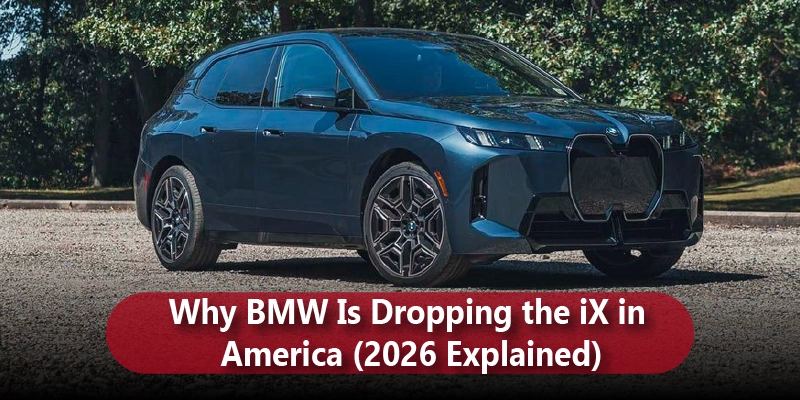
BMW is ending the iX in the U.S. after 2026 to focus on its next-gen Neue Klasse EV platform with better range, faster charging, and efficiency.
The announcement from BMW that it will discontinue the iX in the United States after the 2026 model year is more than just a product update and it reflects a broader transformation within the automotive industry. As electric vehicles evolve rapidly, manufacturers are being forced to rethink not only their product lineups but also the technologies that underpin them.
When the BMW iX was first introduced in 2022, it represented a bold leap into the brand’s electric future. It combined a futuristic design language with advanced features and a strong focus on sustainability. At the time, it served as a flagship model, showcasing what BMW could achieve in the premium EV space. However, just a few years later, the pace of innovation has accelerated to the point that even relatively new models can quickly become transitional.
The discontinuation of the iX is not an indication of failure. Instead, it highlights BMW’s intent to move beyond early-generation electric architectures and fully embrace a purpose-built EV ecosystem designed for long-term competitiveness.
Understanding the Role of the BMW iX
To understand why BMW is moving on from the iX, it is important to first recognize the role the vehicle played in the company’s broader strategy.
The iX was never intended to be a permanent cornerstone of BMW’s electric lineup. Instead, it functioned as a technological bridge, which is a way to transition from internal combustion engineering toward fully electric design. It was built using a modified platform that allowed BMW to integrate electric components without completely abandoning its existing manufacturing systems.
This approach had advantages. It enabled BMW to bring a high-quality electric SUV to market relatively quickly while maintaining the luxury and performance standards expected from the brand. The iX also introduced advanced materials such as carbon-fiber-reinforced plastic to reduce weight and improve structural rigidity.
However, this hybrid approach also came with limitations. Because the platform was not originally designed exclusively for electric vehicles, it could not fully optimize battery placement, interior space, or cost efficiency. As a result, the iX was always going to be a stepping stone rather than a final destination.
Also Read: Night Driving Tips: How to Stay Safe on U.S. Highways
Why BMW Is Discontinuing the iX in the U.S.
The decision to discontinue the iX in the United States is driven by a combination of technological, economic, and market factors.
One of the most important reasons is the transition to a dedicated electric architecture. BMW’s upcoming Neue Klasse platform represents a clean break from previous designs. Unlike the iX, which adapted existing engineering principles, Neue Klasse is built entirely around electric mobility. This allows for better integration of battery systems, more efficient energy usage, and improved overall vehicle performance.
Another factor is changing consumer expectations. The electric vehicle market has matured significantly since 2022. Buyers are no longer satisfied with early-generation EVs; they are looking for vehicles that offer longer range, faster charging, and seamless software experiences. As competitors continue to innovate, BMW must ensure that its products remain competitive not just today, but several years into the future.
Market dynamics also played a role. By late 2025, there were clear signs that demand for the iX in the United States was softening. Many potential buyers chose to wait for the next generation of BMW EVs rather than invest in a model that was perceived as transitional. This shift in demand made it less viable for BMW to continue allocating resources to the iX in a highly competitive segment.
The Neue Klasse Platform: BMW’s Next Chapter
The introduction of the Neue Klasse platform marks a turning point in BMW’s approach to electric vehicles. It is not simply an update and it is a complete rethinking of how EVs should be designed and manufactured.
At the core of this new platform is sixth-generation battery technology. These batteries use cylindrical cells, which offer higher energy density compared to the prismatic cells used in the iX. This improvement translates directly into longer driving range and better efficiency.
Equally important is the adoption of 800-volt electrical architecture. This system significantly reduces charging times, making electric vehicles more practical for long-distance travel. Under optimal conditions, drivers can expect to recharge a substantial portion of the battery in less than 20 minutes.
The Neue Klasse platform also emphasizes software integration. Modern vehicles are increasingly defined by their digital capabilities, from driver assistance systems to over-the-air updates. BMW’s new architecture is designed to support continuous improvements, ensuring that vehicles remain up-to-date throughout their lifecycle.
What Will Replace the BMW iX?
Rather than introducing a direct replacement for the iX, BMW is expanding its electric SUV lineup with multiple models that cater to different segments of the market.
The first of these is the BMW iX3, which is expected to arrive as the entry point into the Neue Klasse family. Unlike the iX, the iX3 features a more conventional SUV design, making it more accessible to a wider audience.
Following the iX3, BMW plans to introduce the BMW iX5. This model is likely to become a central offering in the lineup, combining practicality with advanced technology. It is expected to appeal to buyers who want a premium electric SUV without the unconventional styling of the iX.
At the top of the range, the BMW iX7 will provide a full-size, three-row option for families and luxury buyers. This model reflects BMW’s commitment to covering every major segment within the SUV market.This diversified approach allows BMW to better align its products with consumer preferences, rather than relying on a single flagship model to serve multiple roles.
How the Industry Context Influenced This Decision
The decision to phase out the iX cannot be viewed in isolation. It is part of a broader shift within the global automotive industry.
Companies like Tesla have set new benchmarks for software integration and charging infrastructure, while newer entrants such as Rivian have demonstrated the value of purpose-built electric platforms.
These competitors have one key advantage: they design their vehicles from the ground up as electrical products. This allows them to optimize every aspect of the vehicle, from battery placement to interior design.
Traditional automakers like BMW initially took a more gradual approach, adapting existing platforms to accommodate electric drivetrains. While this strategy helped them enter the market quickly, it is now becoming clear that dedicated EV architectures are essential for long-term success.
Also Read: Best Used Cars Under $15,000 in the U.S. That Still Feel Brand New (2026 Guide)
Should You Still Buy a BMW iX in 2026?
Despite its impending discontinuation, the BMW iX remains a highly capable vehicle. For many buyers, it still offers a compelling combination of luxury, performance, and technology.
One of the key advantages of buying a final-year model is improved reliability. By 2026, most of the initial issues associated with the iX will have been addressed through updates and refinements. This makes it one of the most polished versions of the vehicle.
However, buyers should also consider the long-term implications. As newer models with advanced technology enter the market, the resale value of the iX may decline more quickly than usual. This is particularly relevant for those planning to keep the vehicle for an extended period.
For this reason, leasing may be a more attractive option. It allows buyers to enjoy the benefits of the iX without committing to long-term ownership during a period of rapid technological change.
BMW iX vs Neue Klasse EVs
| Feature | BMW iX (2026) | Neue Klasse EVs |
| Platform | Modified architecture | Dedicated EV platform |
| Battery Technology | Gen5 prismatic cells | Gen6 cylindrical cells |
| Charging | ~400V system | 800V fast charging |
| Range | 300 – 320 miles | 400+ miles (expected) |
| Design | Futuristic styling | Traditional SUV design |
| Software | Mature system | Next-gen digital platform |
| Market Role | Transitional flagship | Long-term core lineup |
Frequently Asked Questions
1. Why is BMW discontinuing the iX in the U.S.?
To transition to the more advanced Neue Klasse EV platform.
2. Can I still buy a BMW iX in 2026?
Yes, through the remaining dealership inventory.
3. What will replace the BMW iX?
Models like the iX3 and iX5 will take their place.
4. Is the iX discontinued worldwide?
No, it continues in selected global markets.
5. Are Neue Klasse EVs better than the iX?
Yes, offering a better range, charging, and efficiency.
Key Takeaways
- BMW is discontinuing the iX in the U.S. after the 2026 model year as part of a broader EV strategy shift.
- The iX was a transitional electric SUV, built on a modified platform rather than a fully dedicated EV architecture.
- BMW is moving to the Neue Klasse platform, which is designed specifically for electric vehicles and future scalability.
- Upcoming models like the BMW iX3 and BMW iX5 will replace the iX’s role in the lineup.
- Neue Klasse EVs will deliver longer range, faster charging and improved battery efficiency compared to the iX.
- The iX remains a strong short-term buy, especially with discounts, but may face faster depreciation.
- Buyers must choose between current value and future-ready technology depending on their priorities.
Get More Automotive Insights at Ask About Cars!
For More Car-Related Blogs: Top 7 Reasons Your Check Engine Light Turns On (And What to Do Next)
