


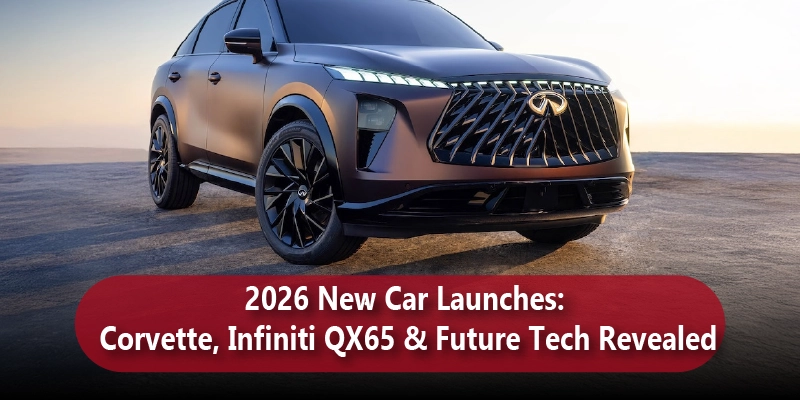
The 2026 car lineup introduces AI-powered driving, ultra-high-performance hybrids, and next-gen EVs, making it one of the most transformative years in automotive history.

Why 2026 Is a Turning Point in the Automotive Industry?
The global automotive industry is entering a transformative phase where traditional mechanical engineering converges with advanced software ecosystems. The upcoming cars of 2026 are no longer defined solely by horsepower, fuel efficiency, or exterior design, but are intelligent, adaptive systems engineered to learn, evolve, and interact with both drivers and their environments.
This shift marks a clear departure from the conventional automotive development cycle. In previous decades, innovation was largely incremental, focusing on performance tuning, safety enhancements, and design refreshes. However, in 2026, the industry is witnessing a structural transformation where vehicles are being built as integrated digital platforms rather than standalone mechanical products.
A Shift from Ownership to Ecosystem Participation
Unlike previous generations of vehicles, where value depreciated steadily after purchase, 2026 cars introduce a dynamic ownership model. With continuous software updates, feature enhancements, and AI-driven improvements, vehicles can actually become more capable over time.
Consumers are no longer just buying a car, and they are entering a connected mobility ecosystem that includes:
- Cloud-based services
- Subscription-based features
- Integrated navigation and charging networks
- Personalized digital experiences
This transition fundamentally changes the relationship between the driver and the vehicle, making it more interactive, personalized, and future-ready.
Why 2026 Stands Apart?
What makes 2026 particularly significant is the convergence of all these technologies into mainstream production vehicles. This is not a concept-driven future, and it is a present reality shaping how cars are designed, manufactured, and experienced.
For consumers, this means:
- Smarter and safer driving experiences
- Greater convenience and personalization
- Access to continuously evolving technology
For the industry, it signals a clear direction toward a software-centric future where innovation is defined as much by code as it is by engineering.
Corvette 2026: A New Benchmark for American Hypercars
The 2026 Corvette, especially the ZR1X variant, marks a defining moment in modern performance engineering. It is not just an evolution of the Corvette lineup, and it represents a fundamental shift in how power, efficiency, and control are integrated into a single platform. By combining traditional internal combustion strength with advanced electrification, this model showcases how hybrid technology can amplify performance rather than dilute it.
Unlike earlier hybrids focused primarily on fuel economy, the ZR1X leverages electrification as a performance multiplier, delivering instantaneous torque, enhanced traction, and unprecedented acceleration figures that rival elite hypercars.
Engineering Highlights
Hybrid Twin-Turbo V8 Architecture
At the core of the ZR1X lies a highly sophisticated twin-turbocharged 5.5-liter V8 engine, paired with an electrified front axle. This dual-power setup creates a seamless blend of mechanical and electric propulsion.
Hypercar-Level Acceleration
With a 0-60 mph time of under two seconds, the ZR1X firmly positions itself within hypercar territory. This level of acceleration is achieved through precise torque distribution, optimized weight balance, and advanced launch control systems.
Electrified All-Wheel Drive System
The introduction of an electrified all-wheel-drive system significantly enhances the vehicle’s handling dynamics. Unlike traditional AWD systems, the eAWD setup allows for real-time torque vectoring between the front and rear axles.
This results in:
- Improved cornering stability at high speeds
- Enhanced grip in challenging driving conditions
- Greater driver confidence during aggressive maneuvers
The system continuously adapts to road conditions and driver inputs, ensuring optimal performance without compromising safety.
Stealth Electric Driving Mode
The ZR1X also incorporates a short-range electric-only driving mode, often referred to as Stealth Mode. This feature allows the vehicle to operate silently for a limited distance, making it practical for urban environments or low-speed driving scenarios.
Real-World Impact
The 2026 Corvette ZR1X demonstrates a clear shift in automotive philosophy. Hybrid systems are no longer confined to efficiency-focused applications; they are now central to achieving extreme performance benchmarks.
This model effectively bridges the gap between traditional muscle cars and next-generation hypercars by combining:
- Raw combustion power
- Instant electric torque
- Intelligent drivetrain control
Infiniti QX65 2026: Redefining the Luxury Coupe SUV Segment
The Infiniti QX65 represents a calculated and strategic revival of the brand’s most distinctive design philosophy, one that prioritizes emotional appeal, driver engagement, and sculptural aesthetics. Drawing inspiration from the iconic FX series, which was widely regarded as one of the first true coupe-style SUVs, the QX65 reintroduces that bold identity with a modern, technology-driven approach.
In an era when many SUVs lean toward conservative, utilitarian styling, the QX65 stands out by emphasizing expressive design without compromising comfort, usability, or advanced features. It is engineered for buyers who seek individuality and sophistication in equal measure.
Design Philosophy
Fastback Silhouette
Unlike traditional SUVs with boxy proportions, the QX65 adopts a more streamlined profile, reducing drag while improving high-speed stability. The design also contributes to a premium visual identity that aligns with modern luxury trends.
Aggressive Road Presence
The QX65 features a wider stance, pronounced wheel arches, and sharply defined body lines that create a strong and confident road presence. Every design element is carefully sculpted to reflect motion and strength.
The front fascia is expected to incorporate Infiniti’s latest grille design and signature lighting elements, giving the vehicle a distinctive and recognizable identity. This combination of width, height, and proportion ensures that the QX65 commands attention in both urban and highway environments.
Interior Innovation
Biometric Climate Control
One of the most advanced features in the QX65 is its biometric climate control system. Using infrared sensors, the system detects individual passenger body temperatures and automatically adjusts airflow and cooling intensity.
This creates a more personalized cabin environment, reducing the need for manual adjustments and significantly improving passenger comfort, especially during long journeys or in extreme weather conditions.
Quiet Cabin Engineering
Infiniti has placed significant emphasis on creating a serene and refined cabin experience. Advanced sound insulation materials, acoustic glass, and vibration-dampening technologies work together to minimize external noise.
The result is a quiet, cocoon-like interior that enhances both comfort and focus, making the QX65 ideal for daily commuting as well as long-distance travel.
Minimalist Digital Cockpit
The QX65 embraces a minimalist approach to interior design, integrating digital interfaces in a way that reduces clutter and enhances usability.
The cockpit is expected to feature:
- Clean, intuitive touchscreen layouts
- Seamless connectivity with smartphones and apps
- Reduced physical buttons for a more refined look
This design philosophy ensures that technology remains accessible without overwhelming the driver, striking a balance between innovation and simplicity.
Software-Defined Vehicles: The Backbone of 2026 Cars
One of the most important developments in 2026 is the rise of software-defined vehicles. These cars are built around centralized computing systems rather than traditional mechanical architectures.
What Makes SDVs Different?
- Centralized Operating Systems
Vehicles operate on unified software platforms controlling multiple functions. - Over-the-Air Updates
Continuous improvements without requiring dealership visits. - Feature Unlocking
Users can activate additional functionalities through software upgrades.
Benefits for Consumers
- Longer vehicle lifespan through updates
- Improved performance over time
- Reduced dependency on physical servicing
AI Integration: From Driver Assistance to Intelligent Co-Pilot
Artificial Intelligence is no longer limited to basic driver-assistance systems. In 2026, it plays a central role in shaping the driving experience.
Key Capabilities
Natural Language Interaction
Drivers can communicate with their vehicles conversationally:
- Adjust climate settings
- Find routes and charging stations
- Control infotainment systems
Predictive Intelligence
AI systems analyze driving patterns and preferences to:
- Suggest optimal routes
- Adjust driving modes
- Enhance safety alerts
Context Awareness
Vehicles understand real-world conditions such as traffic, weather, and driver behavior to make intelligent decisions.
Level 3 Autonomous Driving: A Major Leap Forward
2026 marks a significant milestone with the broader adoption of Level 3 autonomy.
What does it mean?
- Vehicles can take full control under specific conditions
- Drivers can temporarily disengage from active driving
- Systems monitor surroundings and respond in real time
Practical Advantages
- Reduced driver fatigue on highways
- Improved traffic efficiency
- Enhanced safety in predictable environments
However, drivers must remain available to take control when required.
Electric Vehicles in 2026: Faster Adoption, Better Technology
Electric vehicles are no longer a niche segment, and they are rapidly becoming a mainstream choice for both urban and long-distance mobility. The advancements seen in 2026 are not incremental; they directly address the biggest concerns that previously limited EV adoption, such as charging time, driving range, and battery reliability.
With continuous innovation in battery chemistry, charging infrastructure, and energy management systems, modern EVs are now positioned as practical alternatives to traditional internal combustion vehicles across multiple segments.
Key Advancements Driving EV Adoption
800V Charging Architecture
One of the most significant breakthroughs in 2026 electric vehicles is the widespread adoption of 800-volt electrical systems. This high-voltage architecture enables ultra-fast charging capabilities that dramatically reduce waiting times.
Extended Driving Range
Range anxiety has long been one of the biggest barriers to EV adoption. However, 2026 models are addressing this concern with significantly improved battery capacity and energy efficiency.
Improved Battery Longevity
Battery technology has seen major improvements in durability and lifecycle performance. Modern EV batteries are designed to retain their capacity over a longer period, reducing degradation and ensuring consistent performance over years of use.
Expanding Charging Infrastructure
The rapid expansion of charging networks is another critical factor driving EV adoption. Public charging stations are becoming more accessible across urban areas, highways, and even rural regions.
Real-World Impact
These advancements collectively remove the major limitations that once made EV ownership challenging. Faster charging reduces downtime, longer range increases confidence, and improved battery durability ensures reliability.
Key Benefits of Buying a 2026 Car
1. Advanced Performance
Hybrid and electric systems deliver instant torque and superior acceleration.
2. Smart Personalization
Vehicles adapt to user preferences, creating a tailored driving experience.
3. Enhanced Safety Systems
AI-powered systems provide real-time hazard detection and predictive alerts.
4. Lower Long-Term Costs
Reduced maintenance and improved efficiency lowers overall ownership expenses.
Comparison Table: Top Upcoming Cars 2026
| Model | Power Output | Key Technology | Segment | Expected Price |
| Corvette ZR1X 2026 | ~1,250 HP | Hybrid eAWD + Hypercar Tech | Performance Car | $150,000+ |
| Infiniti QX65 2026 | ~300 HP | Biometric Climate System | Luxury SUV | $52K-$65K |
| AFEELA 1 | ~483 HP | AI-powered cockpit | Electric Sedan | $45K-$55K |
| Cadillac Vistiq EV | ~500 HP | Premium EV architecture | Luxury EV SUV | $70,000+ |
| Renault Duster 2026 | ~150 HP | Affordable rugged redesign | Compact SUV | $20K-$30K |
Common Mistakes Buyers Should Avoid
Ignoring Technology Complexity
Modern vehicles require time to understand their interfaces and features.
Overlooking Subscription Costs
Some advanced features may require recurring payments.
Delaying Booking
High-demand vehicles often have long waiting periods.
Not Evaluating Charging Access
EV buyers must ensure adequate charging infrastructure.
Expert Buying Strategy for 2026 Cars
To make an informed and future-proof decision in 2026’s tech-driven automotive market, buyers need to evaluate more than just performance and price. Here are key factors to consider:
- Test Drive Extensively: Focus on Tech Usability
Evaluate infotainment responsiveness, voice controls, driver assistance features, and overall user interface experience. - Compare Powertrain Options Based on Daily Usage
Choose between EV, hybrid, or ICE depending on your commute, charging access, and driving habits. - Check Software Update Policies for Long-Term Support
Ensure the manufacturer provides regular OTA updates and long-term software support. - Analyze Total Cost of Ownership
Factor in maintenance, insurance, charging fuel costs, depreciation, and subscription-based features.
Frequently Asked Questions
When will the 2026 Corvette launch?
Production starts in late 2025 with deliveries in early 2026.
What is the expected price of the Infiniti QX65 2026?
It is expected to start around $52,000.
Are 2026 cars fully autonomous?
Most offer Level 3 autonomy under controlled conditions.
Is 2026 a good year to buy an EV?
Yes, due to better range, faster charging, and improved infrastructure.
What defines upcoming cars 2026?
AI integration, software-defined systems, and electrified performance.
Get More Updated Automotive Insights at Ask About Cars!
Have insights or experiences to share? Submit your blog through the link below and become part of our automotive community: https://askaboutcars.com/submit-blog