

In short, yes. The US auto market in 2026 is undergoing a pragmatic reset, where high-tech innovation meets economic reality. While 2024 and 2025 were defined by experimental shifts, 2026 is the year these technologies, especially electric vehicles in the USA and autonomous cars in the US, become standardized, regulated, and more affordable for the average driver.

By 2026, the future of cars in America will be shaped by stabilized inventory, a surge in hybrid options, and the first major wave of federal standards for self-driving technology. Whether you are a daily commuter in California or a fleet manager in Texas, the automotive market forecast 2026 suggests a landscape that prioritizes software efficiency and value over raw horsepower.
Will Electric Vehicles Dominate the Roads in 2026?
The EV adoption United States has reached a critical tipping point in 2026. While the rapid growth seen in the early 2020s has leveled off, the market has matured. We are seeing a shift from early adopter luxury models to practical, affordable electric vehicles in the USA.
Key Benefits
- More affordable EV models entering the $25,000–$35,000 range
- Improved charging reliability and compatibility across brands
- Lower long-term maintenance costs compared to gas vehicles
Also Read: How Autonomous Cars Could Transform NYC Traffic
Are Autonomous Cars Finally Moving Beyond the Testing Phase?
If you’ve been waiting for autonomous cars in the US to hit the mainstream, 2026 is a landmark year. This isn’t just about hands-free highway driving anymore; it’s about the legal framework that makes these cars a permanent fixture of the US auto market in 2026.
Core Strategies of 2026 Autonomous Tech:
- Federal Safety Standards: The introduction of the SELF DRIVE Act of 2026 provides a national framework for safety, replacing the confusing patchwork of state laws.
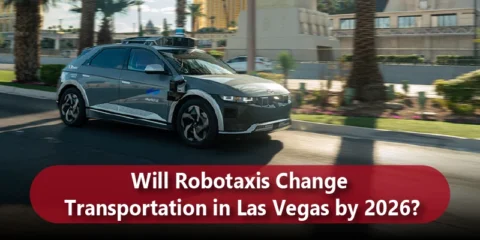
- Robotaxi Expansion: Cities like Austin, Phoenix, and Miami are seeing full-scale deployments of driverless ride-hailing services.
- Advanced Safety Features: Even in non-autonomous cars, automotive technology USA now includes standard AI-driven collision avoidance that is far more sophisticated than previous generations.
What New Vehicle Regulations Should Buyers Know About?
The US vehicle regulations 2026 are some of the strictest in history. The EPA has finalized standards requiring a significant increase in fleet-wide fuel efficiency, pushing for a cleaner future of cars in America.
Common Mistakes Buyers Make in 2026:
- Ignoring Residual Value: With the US auto market 2026 shifting so fast, buying a gas-only vehicle with poor fuel economy may result in much lower resale value by 2030.
- Overlooking Hybrid Options: Many buyers think it’s EV or nothing, but mobility trends in the US show that plug-in hybrids are the most practical choice for those without home charging.
- Underestimating Subscription Costs: Modern automotive technology in the USA often comes with monthly fees for heated seats or advanced navigation.
Expert Insight: “2026 marks the point when software-defined vehicles transition from a buzzword to an industry requirement. Your car will now receive performance updates in your driveway, just like your smartphone.”
Also Read: Top 7 US Cars With ADAS Features That Could Save Your Life in 2025
How Will Car Sales Trends Change for the Average Consumer?
The automotive market forecast 2026 predicts a steady sales volume of approximately 16 million units. However, the way these cars are sold is shifting toward a digital-first omnichannel experience.
Primary Benefits
- Faster, more transparent purchase processes
- Expanded access to high-quality used vehicles
- More flexible ownership and subscription options
Frequently Asked Questions
Yes. While the sticker price may still be slightly higher for some models, the EV adoption in the United States data shows that lower maintenance and fuel costs make them cheaper over a 5-year ownership period, especially with battery prices continuing to fall.
The Hybrid Bridge. Because pure electric vehicles USA still face infrastructure hurdles in rural areas, 2026 has seen a massive spike in hybrid sales as a middle-ground solution.
Level 3 autonomy is now available in several luxury brands. However, fully Level 5 driverless cars remain primarily in commercial fleets and robotaxis for 2026.
Stricter EPA standards mean manufacturers spend more on efficiency tech, which can keep new gas car prices high. However, improved MPG saves you money at the pump, balancing the total cost.
Beyond ownership, Mobility-as-a-Service is growing. More Americans are using tiered subscription models that combine public transit, e-bikes, and car-sharing into one monthly fee.
Key Takeaways for 2026
- Affordability is King: Despite high tech, the US auto market in 2026 is focused on value-tier EVs and high-quality used vehicles.
- Regulation is Clear: Federal laws for autonomous cars in the US have finally arrived, providing much-needed consumer confidence.
- Hybrids are the Hero: They currently represent the fastest-growing segment in the US car industry.
- Software is the New Engine: Over-the-air updates and AI integration are now the primary differentiators for new models.
The US auto market 2026 isn’t just an evolution; it’s a recalibration of what an American vehicle should be: smarter, cleaner, and more connected than ever before.
Join the discussion at Ask About Cars and stay ahead of industry trends.
For More Car-Related Blogs: