


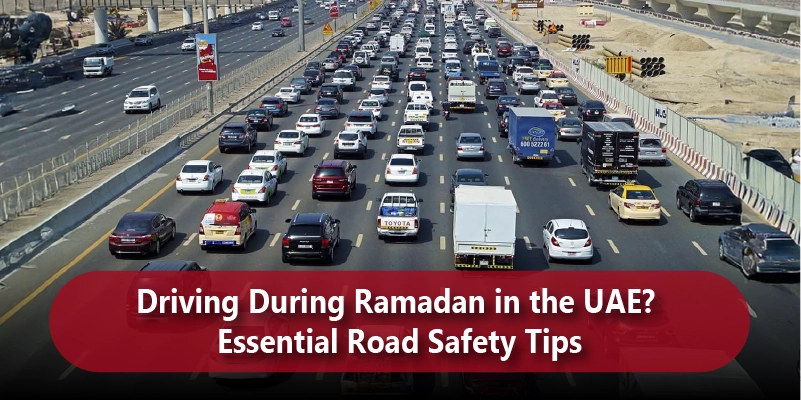
Driving during Ramadan in the UAE requires extra caution due to fatigue, dehydration, and the high-risk pre-Iftar rush between 2 PM and 5 PM.

Ramadan is a beautiful time of reflection and community in the Emirates, but it also brings a significant shift in daily routines. Between shorter office hours and the rush to reach Iftar, the roads can become quite unpredictable. Understanding Ramadan driving safety in the UAE isn’t just about following the law; it’s about navigating the unique physical and psychological challenges that come with fasting.
Understanding the Risks
Fasting can lead to dehydration and low blood sugar, which directly impact your concentration and reaction times. Statistics show that the pre-Iftar rush, typically between 2:00 PM and 5:00 PM, is the most dangerous window for Ramadan accident prevention in the UAE. During these hours, many drivers are rushing, often battling fatigue and reduced patience.
Top Fasting and Driving Tips
To ensure a smooth journey, keep these fasting and driving tips in mind:
- Plan Your Journey: Avoid the pre-Iftar peak by leaving 30 minutes earlier. Use navigation apps to find the best routes for safe driving in Dubai during Ramadan.
- Manage Your Energy: Drowsiness is one of the primary driving while fasting risks. If you feel your eyes getting heavy, pull over immediately. A 15-minute power nap can be a lifesaver.
- Keep Your Distance: Fatigue slows your reflexes. Increase the gap between you and the car in front to give yourself more time to react to sudden braking.
- Respect the Rules: UAE traffic rules during Ramadan remain strictly enforced. Speeding to make it to a tent on time isn’t worth the heavy fines or, worse, a collision.
Wrapping Up: Staying Vigilant in the City
Whether you are navigating Abu Dhabi traffic safety during Ramadan or the busy streets of Sharjah, remember that other drivers are facing the same exhaustion. Practice defensive driving and be the patient one who lets a merging car in. UAE road safety during Ramadan depends on collective patience.
By prioritizing Ramadan road awareness in the UAE, you protect yourself and your community. Stay hydrated during Suhoor, rest well, and keep your focus on the road.
Everything You Need to Know
What is the riskiest time to drive during Ramadan in the UAE?
Between 2 PM and 5 PM due to fatigue and the pre-Iftar traffic rush.
Are traffic rules different during Ramadan?
No, UAE traffic laws remain fully enforced.
Does fasting affect driving ability?
Yes, dehydration and low blood sugar can slow reaction time and reduce focus.
How can I stay safe while driving during Ramadan?
Plan, drive defensively, rest well, and maintain safe distances.
Get More Updated Automotive Insights at AskAbout Cars!
For More Car-Related Blogs:
How Do Traffic Regulations Differ Across the UAE Emirates?
Why ADAS and AI Tech Matter More in UAE Driving
UAE Salik & Darb Updates: New Toll Rules Every Driver Should Know
For advertising, sponsored content, or brand collaboration opportunities on this platform, please visit: https://askaboutcars.com/advertise/


