

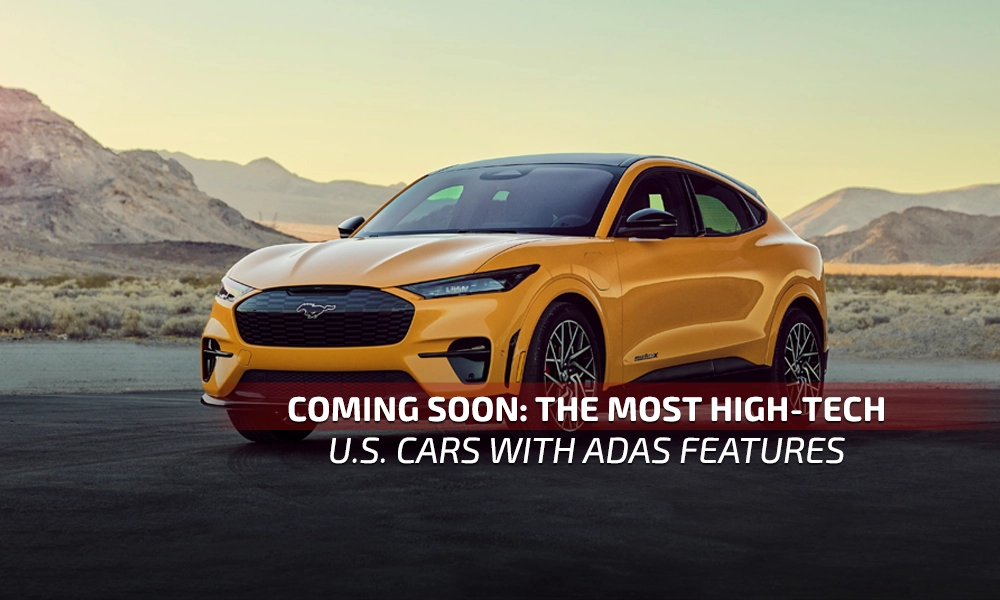
ADI technologies like adaptive cruise and automated parking have been around, but your parents probably didn’t use them.
In 2025, U.S. automakers are rolling out more practical, intuitive ADAS in models that make sense for real roads—from California highways to Iowa interstates and urban streets.
Why U.S. Brands Are Rebooting ADAS for Drivers
Automakers like Ford, GM, and Tesla realized that piling on features doesn’t help unless they’re intuitive.
So in 2025, we’re seeing cleaner designs with:
- Adaptive Cruise with Stop-and-Go Traffic Assist
- Lane Centering That Actually Stays Put in city traffic
- Auto Emergency Braking tuned for U.S. road behavior
- Intuitive digital dashboards meaning fewer distractions
These features focus on usability, not gimmicks.
Which 2025 U.S. models offer real hands‑free driving on highways?
Models like the Cadillac Lyriq and Ford F‑150 Lightning include adaptive cruise with lane centering and traffic‑aware assist.
These allow limited hands‑off driving at U.S. highway speeds, improving comfort on long commutes.
Top U.S. Models with Real ADAS Benefits
1. Ford F‑150 Lightning (2025)
Offers Traffic Jam Assist and hands-off driving in low-speed states. Perfect for long hauls or daily freeway commutes—without constant steering input.
2. GMC Hummer EV SUV
Includes Ultium Cruise, which adapts to stoplights and lane merges. Its HD surround vision and highway exit assistance simplify driving a beast.
3. Tesla Model S Refresh
Updated UI, improved Autopilot lane-holding, and smoother city navigation make this EV more usable than ever—especially in California or Florida traffic.
4. Cadillac Lyriq
Features Super Cruise across select highways and seamless urban lane changes. It feels more refined and less intrusive in everyday driving.
5. Chevrolet Bolt EUV RS
Offers cheaper entry ADAS—rear cross-traffic braking and lane keep assist—that’s meaningful for budget-conscious buyers looking for extra safety.
What U.S. Drivers Actually Use—not Ignore
Over the past year, drivers have abandoned overly complex interfaces and seldom-used features. The most appreciated ADAS are:
- Traffic Jam Assist (stop-and-go comfort)
- Highway Lane Centering (less fatigue on long drives)
- Low-speed automated braking (for city stop-and-go)
- Exit Assist and blind-spot alert (more confidence merging)
When these systems feel predictable and seamless—drivers actually trust and engage them.
GM’s Super Cruise and Ultium Cruise focus on minimal driver input—supporting automatic speed changes, lane‑keeping, and brake control.
Users say the systems engage “silently” rather than drawing attention, making them more usable for everyday driving.
Yes. Many 2025 U.S. models include stop‑and‑go cruise control and automated braking tuned for close‑range urban traffic.
That means drivers rarely need to step on the brake in heavy traffic jams—reducing fatigue.
Not necessarily. Streamlined systems with fewer unnecessary sensors have reduced repair costs.
Cars like the Chevrolet Bolt EUV pass ADAS diagnostics through standard service centers, making maintenance both trusted and affordable.
Often, yes. Manufacturers like Tesla and Cadillac offer over‑the‑air software upgrades to improve ADAS performance.
This ensures features like adaptive lane-centering and exit assist stay current and safer over the vehicle’s lifetime.
Does Having ADAS Make You a Better Driver?
ADAS doesn’t have to feel like science fiction.
In 2025, U.S. automakers are delivering systems you’ll actually appreciate—not ignore.
If Traffic Jam Assist or hands-free highway cruising makes you relax instead of tense up, those features add real value—day after day.
But, do they make you a better driver?
Will you be more aware of others around you, or will it further the cause of more accidental bumps and dents?
I think ADAS is technologically amazing, and the fact that we get to use them in our cars, is just mind blowing.
However, I do not feel confident about people having more and more assistance while driving a car. ADAS feels like a slippery slope to a future where people are so dependent on the technology, that they forget what driving is all about:
Getting from point A to point B yourself. Independently.