


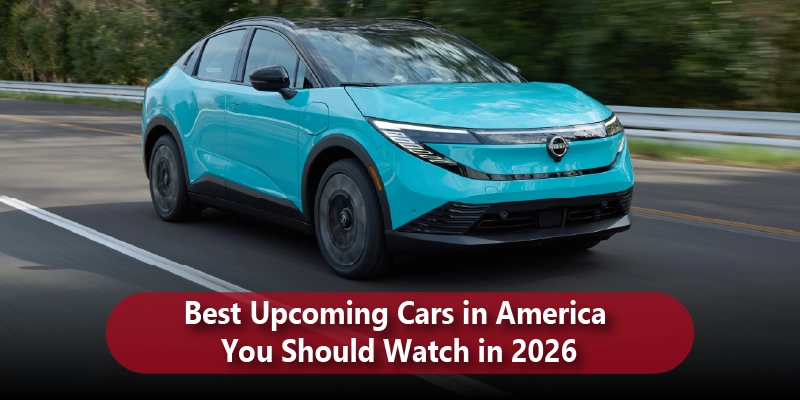
The best upcoming cars in America 2026 highlight hybrid dominance, affordable electric vehicles, smarter technology, and powerful next-generation performance models.

Why 2026 Is a Turning Point for the U.S. Auto Industry
The American automotive market in 2026 is entering a transition phase that blends electrification, efficiency, and innovation. Unlike previous years that emphasized a shift toward fully electric vehicles, 2026 is defined by a balanced approach, where hybrid systems, advanced internal combustion engines, and EVs coexist to meet diverse consumer needs.
Buyers today are not simply choosing between gasoline and electric anymore. Instead, they are prioritizing:
- Long-term cost savings
- Fuel efficiency and reduced emissions
- Driving performance and reliability
- Technology integration and connectivity
Automakers are responding by launching vehicles that combine practical usability with future-ready engineering. Whether it’s a family SUV, a rugged pickup, or a performance-focused muscle car, the upcoming cars USA 2026 lineup delivers across every segment.
Quick Overview of Top Upcoming Cars America 2026
| Car Model | Segment | Powertrain | Expected Efficiency | Key Advantage |
| Toyota RAV4 2026 | Compact SUV | Hybrid | 40+ MPG | Hybrid standardization |
| Honda Prelude 2026 | Coupe | Hybrid | High efficiency | Iconic comeback |
| Scout Traveler | SUV | Electric | 300+ miles | Rugged EV capability |
| Scout Terra | Pickup | Electric | 300+ miles | High towing capacity |
| Chevrolet Bolt 2026 | Hatchback | Electric | 250+ miles | Budget EV leader |
| Dodge Charger 2026 | Muscle Car | Turbo/EV | High performance | Next-gen muscle |
| Rivian R2 | SUV | Electric | 300+ miles | Affordable premium EV |
The Rise of Hybrid-First Vehicles in 2026
One of the most defining and structurally important trends shaping the 2026 automotive landscape is the mainstream adoption of hybrid powertrains as standard, rather than optional, offerings. This shift is not merely a response to tightening emissions regulations in the United States, but also a calculated move by automakers to align with evolving consumer expectations around fuel efficiency, reliability, and long-term cost savings.
Manufacturers are progressively phasing out traditional gasoline-only engines across high-volume segments, particularly in compact SUVs and midsize sedans. Instead of forcing a complete transition to fully electric vehicles, which still face challenges such as charging infrastructure gaps and range anxiety, automakers are positioning hybrids as a strategic bridge technology. This allows consumers to experience electrification benefits without fundamentally changing their driving or refueling habits.
Hybrid vehicles deliver a well-balanced value proposition by integrating an internal combustion engine with an electric motor system. This combination enables:
- Significantly reduced fuel consumption, especially in urban driving conditions, where regenerative braking and electric-only operation improve efficiency
- Lower tailpipe emissions, helping both manufacturers and consumers meet environmental standards without compromising usability
- Independence from charging infrastructure, eliminating reliance on external charging stations and making hybrids more practical in regions with limited EV support
- Seamless and refined driving dynamics, with smoother acceleration, quieter operation, and optimized power delivery
Additionally, advancements in hybrid technology such as improved battery density, smarter energy management systems, and enhanced thermal efficiency have made modern hybrids far more capable than earlier generations. These improvements ensure that drivers no longer have to choose between performance and efficiency, as hybrids increasingly deliver both.
This transition is particularly evident in best-selling categories like SUVs and sedans, where consumers demand versatility. Hybrid systems in these segments not only improve fuel economy but also enhance all-wheel-drive capability through electric motors, increase reliability, and reduce overall ownership costs.
In essence, the rise of hybrid-first lineups in 2026 reflects a broader industry strategy: delivering practical electrification at scale, while preparing both infrastructure and consumers for a fully electric future.
Why the 2026 Toyota RAV4 Stands Out
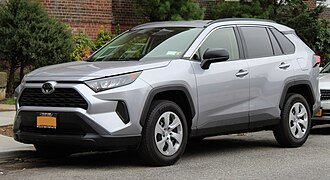
The Toyota RAV4 2026 is expected to remain one of the most influential vehicles in the U.S. market. Its transition to a hybrid-only lineup reflects not just a product upgrade, but a broader strategy shift within the automotive industry.
Key Improvements:
- Fuel Efficiency: Expected to exceed 40 MPG combined
- Interior Technology: Larger infotainment displays with seamless smartphone integration
- All-Wheel Drive System: Electrified rear axle improves traction and stability
- Refined Driving Experience: Quieter cabin and smoother acceleration
The RAV4 continues to appeal to a wide audience due to its reliability, practicality, and strong resale value, making it a benchmark for compact SUVs.
The Return of Iconic Nameplates
Honda Prelude 2026: A Modern Revival
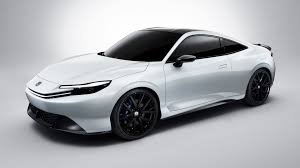
The return of the Honda Prelude represents a strategic move to reintroduce performance-oriented vehicles with modern efficiency standards. Instead of relying on traditional combustion engines, the new Prelude is expected to feature a hybrid powertrain that balances power and fuel economy.
What Makes It Relevant:
- Combines sporty design with eco-friendly performance
- Appeals to both nostalgic buyers and new-age drivers
- Offers a unique alternative to conventional sedans and EVs
This revival highlights how automakers are leveraging brand heritage while adapting to current market demands.
Scout Motors: Redefining Electric Trucks and SUVs
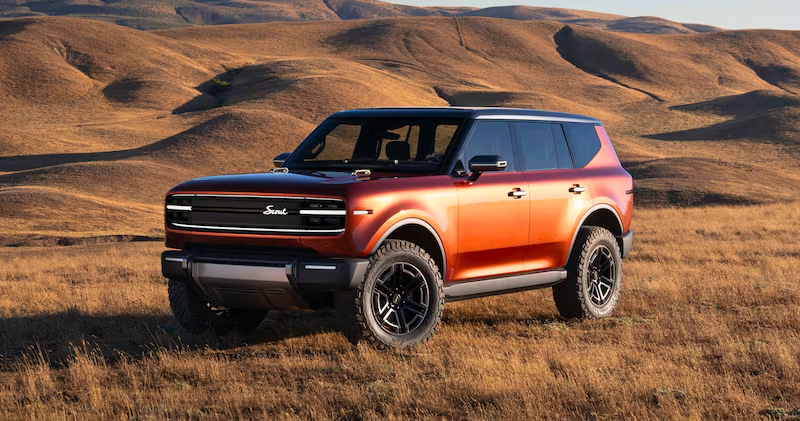
The reintroduction of the Scout brand brings a distinct identity to the EV segment, focusing on ruggedness and off-road capability.
Scout Traveler
- Built for outdoor and adventure-focused users
- High ground clearance and durable construction
- Retro-inspired design with modern engineering
Scout Terra
- Body-on-frame architecture for strength and durability
- Strong towing capabilities suited for American needs
- Designed specifically for challenging terrains
These vehicles stand out because they prioritize functionality and durability, addressing a gap in the current EV market where many models focus primarily on urban use.
Affordable Electric Vehicles Gain Momentum
Affordability is a major focus for 2026, with several automakers working to make EVs accessible to a broader audience.
Chevrolet Bolt 2026
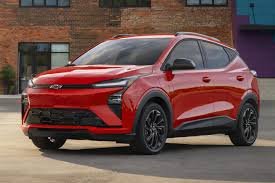
The redesigned Bolt is expected to become one of the most affordable electric cars in the U.S. market.
Key Features:
- 250+ mile driving range
- Competitive pricing under $30,000
- Improved battery efficiency
- Faster charging capabilities
Rivian R2
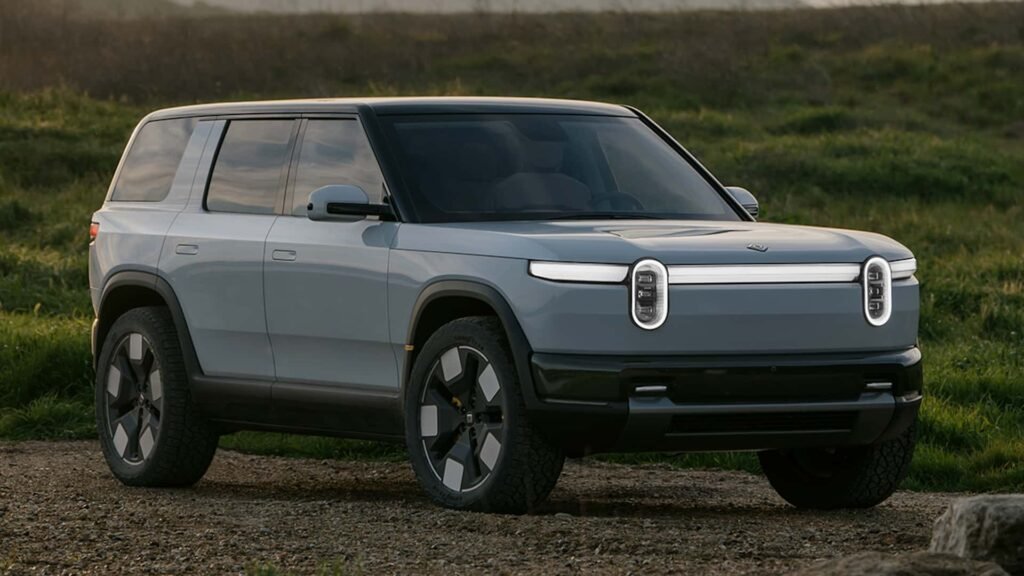
The Rivian R2 expands the brand’s lineup into a more accessible segment.
Highlights:
- Compact SUV design with premium features
- Advanced driver assistance systems
- Balanced performance for both city and outdoor use
These models demonstrate how EVs are transitioning into mainstream mobility solutions, rather than niche products.
The Evolution of Performance and Muscle Cars
Dodge Charger 2026: A New Era
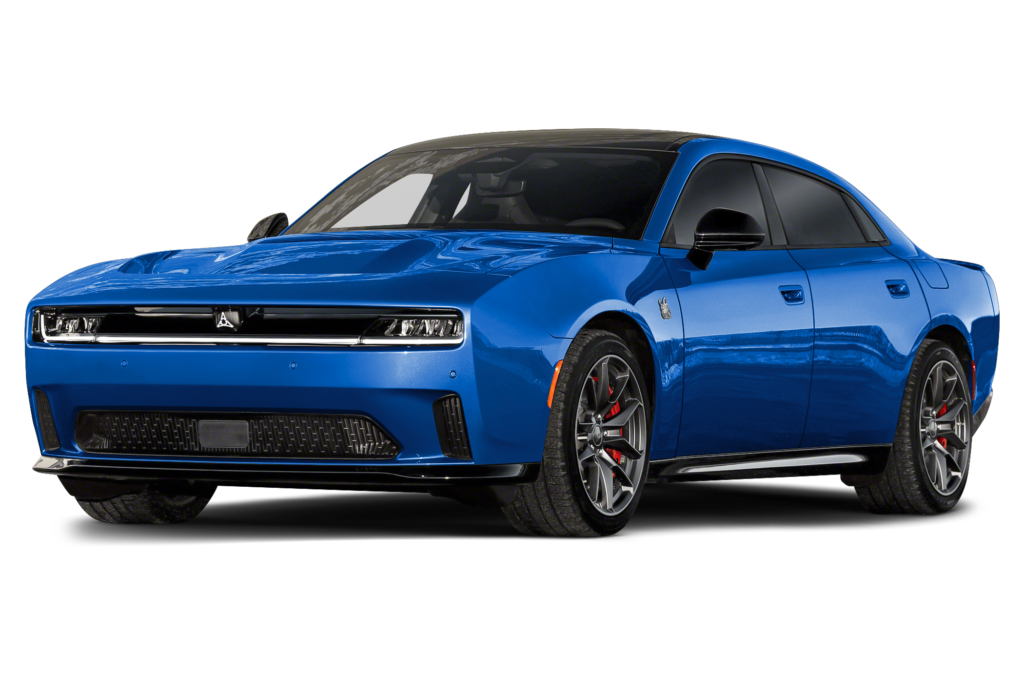
The Dodge Charger 2026 represents a significant transformation in the muscle car segment. With stricter emissions regulations, traditional V8 engines are being replaced by more efficient and powerful alternatives.
What’s Changing:
- Introduction of twin-turbo inline-six engines
- Availability of electric performance variants
- Improved traction with all-wheel drive systems
- Enhanced daily usability
Despite these changes, the Charger continues to deliver the power and driving excitement that define American muscle cars.
Technology Trends Shaping 2026 Vehicles
1. Advanced Infotainment Systems
Modern infotainment systems in 2026 vehicles have evolved far beyond basic touchscreens, becoming centralized digital command centers that integrate navigation, entertainment, vehicle diagnostics, and connectivity into a single interface. Automakers are now offering larger high-resolution displays with faster processors and intuitive user interfaces that rival smartphones and tablets.
Voice control technology has also significantly improved, allowing drivers to interact with the system using natural language commands for tasks such as navigation, climate control, and media selection. In addition, seamless smartphone integration through wireless Apple CarPlay and Android Auto ensures uninterrupted connectivity without cables.
Many vehicles now support multi-device pairing, cloud-based user profiles, and AI-driven personalization, enabling the system to adapt to driver preferences over time. This results in a more immersive, convenient, and safer in-car experience, reducing distractions while enhancing usability.
2. Over-the-Air (OTA) Updates
Over-the-air updates are transforming vehicles into continuously evolving software platforms rather than static machines. In 2026, automakers are leveraging OTA technology to remotely deliver updates that improve not only infotainment systems but also core vehicle functions such as battery management, performance tuning, and safety features.
This eliminates the need for frequent dealership visits, saving time and ensuring that vehicles remain current throughout their lifecycle. Manufacturers can also fix bugs, enhance efficiency, and introduce entirely new features post-purchase, effectively extending the value of the vehicle.
In some cases, OTA updates enable feature-on-demand services, where users can unlock additional functionalities such as advanced driver assistance or performance upgrades through software subscriptions. This shift highlights how vehicles are increasingly defined by software capability as much as hardware engineering.
3. Driver Assistance and Safety
Driver assistance technologies in 2026 have reached a point where Level 2 autonomy is becoming standard across many segments, particularly in mid-range and premium vehicles. These systems are designed to enhance safety and reduce driver fatigue without fully replacing human control.
Key features include:
- Adaptive Cruise Control: Automatically adjusts speed to maintain a safe distance from vehicles ahead, making highway driving more relaxed
- Lane-Keeping Assistance: Actively monitors lane markings and provides steering inputs to keep the vehicle centered
- Automated Emergency Braking: Detects potential collisions and applies brakes to prevent or mitigate impact
Beyond these, many vehicles now include blind-spot monitoring, rear cross-traffic alerts, and 360-degree camera systems, creating a comprehensive safety ecosystem. These technologies rely on a combination of sensors, cameras, and radar systems, working together to provide real-time situational awareness.
The overall goal is to reduce accidents, enhance driver confidence, and move gradually toward higher levels of autonomy in the future.
4. Charging Standardization
One of the most significant advancements in the EV space for 2026 is the standardization of charging infrastructure, particularly with the widespread adoption of the North American Charging Standard. This development addresses one of the biggest barriers to EV adoption: charging compatibility and accessibility.
With a unified charging standard:
- Drivers gain access to a broader and more reliable charging network
- Charging becomes faster and more efficient due to improved hardware compatibility
- Long-distance travel becomes more practical, reducing range anxiety
Automakers are increasingly designing vehicles with native NACS ports, eliminating the need for adapters and simplifying the overall ownership experience. Additionally, improvements in fast-charging technology are reducing charging times significantly, making EVs more comparable to traditional refueling in terms of convenience.
This move toward standardization represents a critical step in building a scalable and user-friendly EV ecosystem, ensuring that infrastructure keeps pace with the rapid growth of electric vehicles.
Common Mistakes to Avoid When Buying a 2026 Car
Overlooking Total Ownership Cost
Beyond the purchase price, consider:
- Maintenance costs
- Insurance premiums
- Charging or fuel expenses
Ignoring Incentives
Federal and state incentives can significantly reduce the cost of EVs and hybrids.
Buying Too Early
Early adopters often pay higher prices due to limited availability and dealer markups.
Misjudging Vehicle Usage
Choose a vehicle that aligns with your daily needs rather than focusing solely on features.
Expert Tips for Choosing the Right 2026 Vehicle
- Evaluate driving habits before choosing between a hybrid and EV
- Check the charging infrastructure availability in your area
- Compare long-term savings instead of upfront costs
- Research brand reliability and resale value
- Test drive multiple models for real-world experience
These considerations ensure that buyers make informed and future-proof decisions.
Most Common Questions
1. What are the best upcoming cars in America in 2026?
Top models include Toyota RAV4, Honda Prelude, Scout Traveler, Chevy Bolt, Rivian R2, and Dodge Charger.
2. Are hybrid cars better than EVs in 2026?
Hybrids offer flexibility and efficiency, while EVs provide zero emissions and lower running costs.
3. Will electric cars be more affordable in 2026?
Yes, improved battery technology and production scaling are reducing EV prices significantly.
4. Which 2026 cars are best for long-distance travel?
Hybrid SUVs and long-range EVs like Rivian R2 are ideal for extended driving.
5. Is it worth waiting for 2026 car models?
Yes, 2026 vehicles offer better technology, efficiency, and long-term value compared to earlier models.
Key Takeaways
- Hybrid vehicles are becoming the new standard across major segments
- EVs are more affordable and practical than ever before
- Iconic models are returning with modern technology and efficiency
- Performance cars are evolving without losing their identity
- Buyers have access to a wider and more versatile range of options
Get More Updated Automotive Insights at Ask About cars! For advertising, sponsored content, or brand collaboration opportunities on this platform, please visit: https://askaboutcars.com/advertise/