

Quick Insights before you Read

How far in advance should I service my car before a trip?
7–10 days before departure.
What is the most important check for a long drive?
Tire condition and pressure.
Is it safe to drive long distances with a minor oil leak?
No.
How often should coolant levels be checked on a road trip?
Before leaving and every morning during the trip.
Does a clean air filter improve highway fuel efficiency?
Yes.
Planning a road trip this weekend? Before you map the route and pack your bags, it is worth asking whether your vehicle is truly prepared for 500+ miles of continuous, high-speed driving. Many drivers assume that a car reliable for daily commuting is automatically ready for a long-distance journey. In reality, sustained highway speeds and changing terrains place far greater demands on your engine, tires, and critical systems. A comprehensive car long drive checklist is not just a precaution; it is the key difference between a stress-free vacation and an unexpected roadside breakdown.
Why is a vehicle inspection before a long drive essential?
The primary goal of a vehicle inspection before a long drive is to identify hidden wear that only manifests under stress. Driving at sustained speeds of 60-80 mph generates significantly more heat than stop-and-go city traffic.
Failure to inspect your vehicle leads to several negative effects:
- Heat buildup: Worn belts or old coolant can lead to immediate engine overheating.
- Tire failure: Incorrect pressure causes friction, leading to a high-speed blowout.
- Brake fade: Thin pads lose their stopping power when they get hot during mountain descents.
- Battery drain: Long journeys with high AC usage and charging devices can kill an aging battery.
How do I perform a tire and wheel car readiness check?
Your car readiness check should always start from the ground up. Tires are the most common cause of road trip breakdowns.
Essential steps for tire safety include:
- Checking tread depth: Use a penny or a tread gauge. If the tread is below 2/32 of an inch, the tire cannot disperse water, leading to hydroplaning.
- Inspecting sidewalls: Look for bulges or cracks. These indicate structural failure that could cause a blowout at high speeds.
- Adjusting PSI: Check your tire pressure when cold. Under-inflation increases rolling resistance, which lowers your fuel economy.
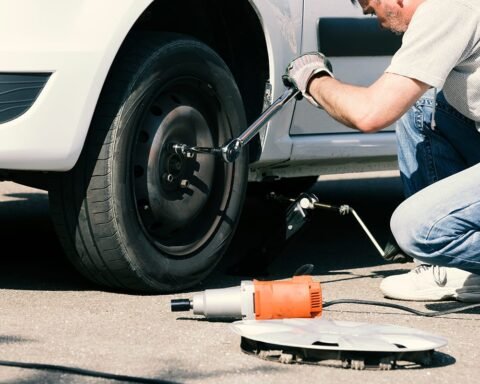
- Testing the spare: A flat spare tire is useless. Ensure your jack and lug wrench are also in the trunk.
What are the vital car maintenance checklist items for the engine?
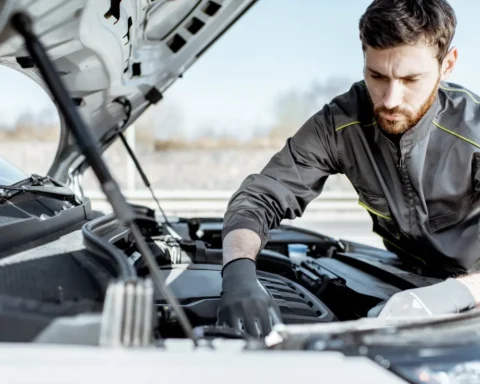
A car maintenance checklist focuses on the fluids and filters that keep your engine breathing and cooling. Neglecting engine maintenance results in:
- Oil degradation: Old oil loses its viscosity, causing metal-on-metal friction in the engine cylinders.
- Coolant leaks: Cracks in hoses allow pressurized coolant to escape, leading to a steaming engine on the roadside.
- Transmission slipping: Low fluid levels prevent smooth gear shifts, causing the car to jerk during highway merging.
- Battery terminal corrosion: White powdery buildup prevents the alternator from charging the battery, leading to a car that won’t start after a gas station stop.
Also Read: How to Stay Alert and Safe During Long Highway Drives
Why should you prioritize a car service before travel?
Getting a professional car service before travel ensures that components you cannot see, like brake lines and suspension bushings, are verified by a technician.
Benefits of a professional pre-trip service:
- Computer diagnostics: Mechanics check for pending error codes that haven’t triggered the dashboard light yet.
- Brake system flush: Old brake fluid absorbs moisture, which can boil during heavy braking, causing the pedal to feel mushy.
- Suspension alignment: Proper alignment prevents the car from pulling to one side, reducing driver fatigue.
- Belt tension check: Technicians ensure the serpentine belt isn’t frayed; a snapped belt kills the power steering and alternator instantly.
What are the best car travel preparation tips for safety?
Effective car travel preparation tips go beyond the mechanics of the car and focus on the safety of the passengers.
Ensure your safety kit includes:
- Reflective triangles: These alert other drivers if you are stopped on a dark shoulder.
- Jumper cables or a power bank: Essential if you accidentally leave a light on overnight at a hotel.
- First aid kit: To treat minor injuries or road rashes.
- Extra Liter of Oil and Coolant: These allow you to top up if a small leak develops in a remote area.
How can long drive car safety checks prevent accidents?
Performing long drive car safety checks, specifically on your lights and wipers, ensures you have maximum visibility regardless of the weather.
The effects of poor visibility maintenance:
- Worn wiper blades: These smear water across the windshield, making it impossible to see during a sudden downpour.
- Burnt-out brake lights: Following drivers won’t know you are slowing down, significantly increasing the risk of a rear-end collision.
- Cloudy headlights: Reduced light output makes it harder to spot debris or animals on the road at night.
What should be in your road trip vehicle checklist for comfort?
A road trip vehicle checklist isn’t just about survival; it’s about the quality of the journey.
Check these items for a better experience:
- Air conditioning system: A cabin filter replacement removes dust and allergens, keeping the air fresh.
- USB ports and fuses: Ensure your 12V outlets work so your GPS/Phone doesn’t die mid-route.
- Cabin organization: Loose items in the car can become projectiles during sudden braking.
| Category | Check Item | Why It’s Critical | Action to Take |
| Tires | Tire Condition | Prevents blowouts, ensures grip & fuel efficiency | Inspect for wear and damage |
| Tires | Tread Depth & Pressure | Ensures grip & safe stopping | Inflate to correct PSI (check driver-side door jamb) |
| Fluids | Engine Oil, Coolant, Brake Fluid | Lubricates, cools & ensures braking safety | Check levels, top up or change if needed |
| Lights & Wipers | Headlights, Tail Lights, Wipers | Maximum visibility in all conditions | Test all lights, replace worn wiper blades |
| Brakes | Pad Thickness & Pedal Feel | Safe stopping power prevents accidents | Inspect pads, check for spongy pedal |
| Battery & Belts | Battery Terminals | Reliable starting | Clean corrosion, ensure tight connections |
| ⚙️ Battery & Belts | Serpentine Belt | Powers engine accessories | Check for cracks or fraying |
Final Thoughts: A Reliable Road Trip Begins with a Ready Vehicle
A successful road trip is not about luck; it is about preparation. Long hours at highway speeds expose weaknesses that everyday driving never reveals, from overheating engines to tire failures and brake fade. Following a structured car long drive checklist, performing a vehicle inspection before a long drive, and scheduling a professional car service before travel significantly reduce the risk of breakdowns, accidents, and unexpected repair costs. When your car is mechanically sound and your safety kit is complete, you can focus on the journey itself, not the shoulder of the highway. Prepare thoroughly, drive confidently, and let the road be part of the experience, not the problem.
Frequently Asked Questions
Yes. An oil change only covers one system. Car road trip preparation involves inspecting brakes, tires, cooling systems, and suspension, which are often ignored during a standard oil change.
Ensure your tires are properly inflated and remove any unnecessary roof racks. High-speed wind resistance and low tire pressure are the two biggest factors in poor highway mileage. Use your long drive checklist to verify these before leaving.
You can check fluids, tires, and lights. However, a professional car service before travel is recommended to check brake pad thickness and engine diagnostic codes.
Even new cars can have infant mortality failures, such as a loose hose or a nail in a tire. A road trip vehicle checklist ensures that even a factory-fresh car is actually ready for the road.
Pull over and check your gauges. If the light is flashing, stop immediately. If it is solid, find the nearest service center for a car readiness check to avoid being stranded.
For more car maintenance, hacks, suggestions, and car tips. Join the conversation at Ask about cars.
For More Car-Related Blogs:
What Makes New Zealand One of the World’s Most Extreme Places to Drive?