

Quick Insights before you Read

1. How long does a WOF inspection take?
45–60 minutes. A certified inspector completes a standard safety check to meet NZ WOF requirements (2026).
2. Can I drive with an expired WOF?
No. Only allowed when driving directly to a repairer or inspection site. Otherwise, fines start at $200+, and insurance may be invalid.
3. What was the most common reason for WOF failure?
Blown light bulbs. Indicators, brake lights, and number plate lights are often missed.
4. Does a WOF check engine health?
No. It covers safety items only, such as brakes, tyres, and structure, but not engine condition.
5. How often is a WOF required in NZ?
For Post-2000 vehicles: Every 12 months, for New vehicles: First WOF after 3 years, then annually and Pre-2000 vehicles: Every 6 months
Are you feeling anxious about your upcoming vehicle inspection? Many Kiwi drivers are caught off guard by simple issues that lead to WOF failures. Understanding the NZ WOF requirements for 2026 does not have to be complicated. By familiarising yourself with the WOF inspection checklist, you can spot potential problems early, fix WOF issues quickly, and avoid unnecessary costs or repeat inspections.
Why do cars fail the WOF on lighting?
Lighting is the number one cause of failed inspections because bulbs fail without the driver noticing.
- Blown Indicators/Brake Lights: Prevents other drivers from seeing your intentions, which increases collision risk.
- Cloudy Headlight Lenses: Reduce beam spread and night visibility, and WOF lights fail due to insufficient illumination.
- Failed Number Plate Lights: Makes the vehicle unidentifiable at night results in an immediate fail grade.
What are the common causes of WOF failed tyres?
Tyres are your vehicle’s only point of contact with the road, and their condition directly affects braking, steering, and overall stability. Even minor tyre issues can significantly increase the risk of accidents, which is why tyres are treated as a high-priority safety item during every inspection.
- Tread Depth below 1.5mm: Reduces grip on wet roads, causes aquaplaning and increases braking distances.
- Uneven Tyre Wear: Indicates poor wheel alignment or suspension issues. Shortens tyre life and compromises handling.
- Sidewall Bulges or Cracks: Suggests structural failure of the tyre carcass and a high risk of a high-speed blowout.
Why is a WOF suspension check so important?
The suspension system keeps your tyres in contact with the road and ensures steering stability.
- Leaking Shock Absorbers: Fluid loss means the strut cannot dampen bounces, which leads to unstable handling and nose-diving during braking.
- Worn Bushings: Rubber components perish over time causes knocking noises and a vague steering feel.
- Broken Coil Springs: Metal fatigue or rust causes snaps, drops the vehicle height, and can puncture a tyre.
What causes a WOF failed brakes?
If your car cannot stop effectively, it becomes a serious risk to everyone on the road. Poor braking performance reduces your ability to react in emergencies. This increases stopping distances and the likelihood of collisions. That is why brake efficiency is critical for overall road safety.
- Worn Brake Pads: Friction material falls below the 2mm threshold, where Metal-on-metal contact ruins brake discs.
- Spongy Brake Pedal: Air or moisture in the brake lines reduces hydraulic pressure and stopping power.
- Leaking Brake Hoses: Cracked rubber lines leak fluid, which can lead to total brake failure under emergency pressure.
How do wipers and washers affect your WOF?
Visibility is a core pillar of the NZ WOF requirements 2026.
- Smearing Wiper Blades: Rubber has perished or hardened, which impairs driver vision during heavy NZ rain.
- Empty Washer Bottle: No fluid to clear grime obscured windshield fails the safety criteria.
- Blocked Washer Jets: The pump works, but no water hits the glass, which prevents the clearing of debris while driving.
WOF Preparation Tips: The Pre-Checklist
Before you book the WOF NZ service, performing a 5-minute walkaround can save you the hassle of a re-check.
- Check all bulbs: Have a friend stand outside while you test indicators, hazards, and brake lights.
- Test the horn: It must be loud and clear to warn other road users.
- Inspect the windshield: Any stone chips in the C-zone driver’s line of sight larger than 10mm will fail.
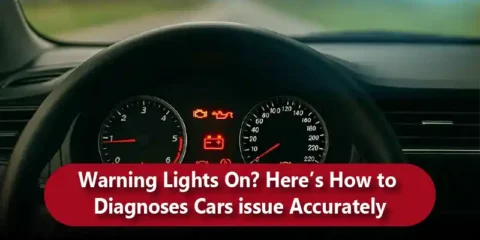
- Clear the dash: Ensure no warning lights like ABS or Airbag. Stay on after the engine starts.
- Clean the car: A filthy car can lead an inspector to assume the vehicle is poorly maintained, and they may look closer at structural components.
How to Fix WOF Issues Fast and Save Money?
If you do fail, you have 28 days to rectify the issues. However, you cannot legally drive the car if the faults are safety-critical.
- DIY Minor Fixes: Replace wiper blades and light bulbs yourself using parts from an automotive store.
- Mobile Mechanics: Use a WOF check near me search to find mobile services that can fix WOF suspension check failures at your home.
- Consolidated Repairs: Ask the testing station for a detailed report so you can get competitive quotes for wof failed brakes or exhaust leaks.
Final Thoughts: Pass Your WOF with Confidence
A WOF inspection does not have to be stressful or unpredictable. Most failures come down to basic safety items that are easy to overlook but simple to check in advance. By understanding the NZ WOF requirements for 2026 and following a practical pre-inspection checklist, you can address issues early, reduce repair costs, and avoid repeat tests. A few minutes of preparation can make the difference between a smooth pass and an unnecessary delay to keep your vehicle safe, compliant, and road-ready.
Frequently Asked Questions
You can search online for authorized VTNZ stations or local independent garages. Ensure they are NZTA-certified to conduct the WOF inspection checklist.
If caught driving with an expired WOF, you face an infringement fee of $200. Police may also pink-sticker the vehicle if it is deemed unsafe, meaning it must be towed.
Usually, yes, as long as it isn’t related to safety systems like ABS or SRS Airbags. However, the NZ WOF requirements 2026 focus heavily on safety lights, so any orange or red safety icons will result in NZ WOF failures.
You must replace the tyres with ones that meet the correct load and speed ratings for your vehicle. Once fitted, return to the testing station for a free or discounted re-check within 28 days.
Yes, most major service centers allow you to book WOF NZ sessions online. This is the best way to avoid long wait times and ensure you stay compliant before your current sticker expires.
Fuel your passion for cars. Join the conversation at Ask about cars.
For More Related Blogs:
Best Cars for NZ Roads in 2026: Safety & Value Picks