


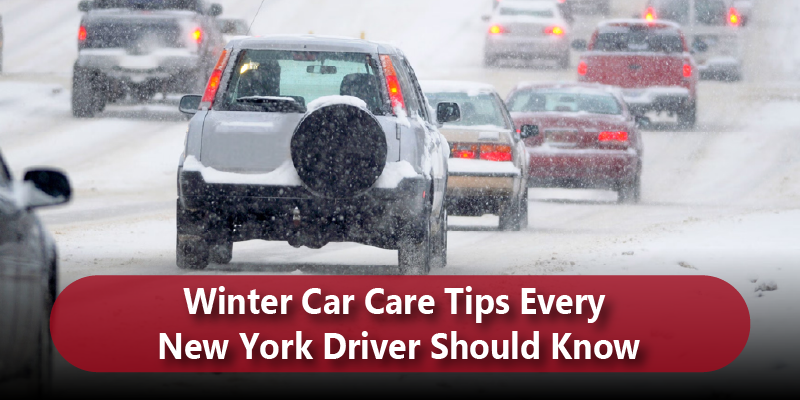
Winter in New York is as demanding on vehicles as it is on drivers. From icy mornings in the Hudson Valley to salt-soaked streets across the Five Boroughs, cold weather introduces a unique set of challenges that can quickly take a toll on your car if you’re unprepared. That’s why proper winter car care isn’t optional, and it’s essential for staying safe, mobile, and stress-free throughout the season.

As temperatures drop and snowstorms become routine, New York drivers must think beyond basic maintenance. Battery performance, fluid protection, tire grip, and corrosion prevention all play a critical role in ensuring reliable performance in sub-zero conditions. Whether you’re navigating lake-effect snow upstate or stop-and-go traffic in NYC, proactive winter car care protects not only your daily commute, but also the long-term value of one of your most important investments.
Why is Professional Winter Car Prep NYC Essential for Regional Longevity?
The New York climate presents a unique set of atmospheric stressors. The combination of high humidity and extreme temperature fluctuations creates an environment where mechanical components degrade at an accelerated rate if left unprotected.
Technical Implications of Seasonal Exposure:
- Road Salt & Liquid Brine Saturation: Prolonged contact leads to the rapid oxidation of the undercarriage, compromising structural frames and delicate brake lines.
- Inadequate Thermal Fluid Ratings: Standard summer-grade fluids reach their freezing point, causing reservoir expansion that can rupture pumps and obstruct critical visibility.
- Thermal Contraction of Elastic Components: Rapid cooling cycles cause rubber belts and seals to lose elasticity, leading to vacuum leaks and serpentine belt failure.
Is Your New York Winter Car Battery Sufficiently Charged?
Cold temperatures significantly inhibit the chemical reactions required to generate an electrical current. In New York, where overnight temperatures can plummet, a battery’s effective output can drop by over half, while the energy required to turn over a cold engine simultaneously doubles.
Preventive Electrical Measures:
- Cold Cranking Amps Verification: Ensure your battery meets or exceeds the manufacturer’s CCA requirements for cold climates.
- Terminal De-acidification: Professionally clean any corrosion to ensure maximum conductivity during high-draw cold starts.
- Parasitic Draw Analysis: Identify any electronics that might be draining the New York winter car battery during extended periods of inactivity.
Should You Invest in Dedicated Winter Tires in New York?
While All-Season tires are common, they are technically compromised once temperatures sustain below 45 degree celsius. Winter tires utilize a high-silica compound that remains soft and pliable, allowing the tread to bite into the pavement.
Advantages of Seasonal Tire Swapping:
- Enhanced Longitudinal Traction: Specialized tread patterns facilitate superior acceleration and braking on packed snow and black ice.
- Hydroplaning Resistance: Wide circumferential grooves are engineered to evacuate slush and water more efficiently than standard tires.
- Mechanical Sympathy: Proper tires reduce the strain on your Traction Control and ABS systems during hazardous commutes.
Also check: Is Your Tread Safe? The 10-Second Trick to Check Tire Wear at Home
What are the Core Requirements of a Professional NYC Car Winter Checklist?
Executing a thorough winter car prep in NYC involves more than a visual inspection; it requires a systematic verification of all safety-critical systems.
Professional Maintenance Protocols:
- Coolant Refractometer Test: Use a refractometer to confirm the antifreeze protection level is rated for at least 34 degrees
- Brake System Evaluation: Cold weather can exacerbate existing issues with moisture-contaminated brake fluid, potentially leading to a soft pedal.
- Vision Systems Optimization: Install beam-style winter wipers and utilize a de-icing washer solvent to maintain a clear field of vision during heavy sleet.
- Tire Pressure Monitoring: Calibrate pressures to account for the 1 PSI drop for every 10 degree decrease in ambient temperature.
Check out: Is Your Car Ready for the Next Long Drive? Here’s a Quick Checklist
What Professional Snow Driving Tips Should You Employ?
Operational habits are just as vital as mechanical readiness. Car care in New York winter involves adjusting your driving technique to reduce mechanical and physical risk.
Advanced Operational Strategies:
- Threshold Braking Management: In vehicles without ABS, practice threshold braking; in those with ABS, apply steady pressure and allow the system to manage the pulse.
- Engine Warming Efficiency: Avoid prolonged idling. Modern fuel-injected engines reach operating temperature more efficiently through light-load driving, which also warms the transmission and differential.
- Aerodynamic Safety: Ensure the roof and hood are entirely clear of snow to prevent snow from blinding you or the drivers behind you.
Check this: Is the Snow Storm Causing Major Travel Disruptions in the U.S.?
How to Resolve Frequent New York Winter Car Problems?
Being prepared for the most likely failure points can prevent minor inconveniences from becoming major winter car service NYC expenses.
- Frozen Door Latches: Moisture trapped in door handles can prevent entry.
Apply a silicone-based lubricant to the weather stripping to prevent the rubber from bonding to the metal frame. - Thickened Lubricants: Extreme cold increases oil viscosity, making it harder for the engine to circulate oil.
Consider switching to a full-synthetic oil with a lower W rating for better flow at startup. - Suspension Creaks: Cold weather causes bushings to harden and squeak.
A spray-on lithium grease can often quiet these components during the winter months.
Key Benefits of Proactive Maintenance
- Risk Mitigation: Significantly lowers the probability of mechanical failure in dangerous weather.
- Asset Preservation: Protects the vehicle’s exterior and frame from the permanent damage of winter oxidation.
- Fuel Efficiency: Properly maintained tire pressures and engine temperatures optimize MPG during a season of naturally higher fuel consumption.
- Insurance Peace of Mind: Demonstrating a commitment to maintenance can be beneficial in the event of weather-related insurance claims.
Common Mistakes New York Drivers Should Avoid
- Neglecting the Fuel Level: Always maintain at least a half-tank of fuel to prevent moisture from condensing in the fuel system and freezing.
- Using the Parking Brake in Slush: If the temperature drops, the parking brake cable or pads can freeze in the engaged position.
- Over-reliance on AWD/4WD: These systems do not provide additional grip for stopping; they only assist in forward momentum.
- Failure to Rinse the Undercarriage: Neglecting a post-storm wash allows salt to sit in crevices, initiating the corrosion process immediately.
Expert Insight:
Battery failure is the leading cause of winter service calls in the Tri-State area. We recommend a load test if your battery has survived more than three New York winters, as internal resistance increases significantly with age.
Everything You Need to Know
Yes, a professional inspection can identify hidden issues like brittle hoses or low-voltage batteries that a standard visual check might miss.
In New York State, studded tires are permitted between October 16 and April 30. However, many NYC drivers find non-studded winter tires in New York sufficient for city streets.
Use a dedicated ice scraper and your car’s defroster. Never use hot water or metal scrapers, as these will lead to permanent glass damage and New York winter car problems.
While all are important, the battery is the most common failure point. Ensuring a healthy New York winter car battery is the foundation of winter reliability.
Unchecked salt damage causes rust, which is the fastest way to depreciate a vehicle’s resale value in the Northeast. Regular winter car care in New York is essential for value retention.
Key Takeaways
- Validate Battery Health: Perform a load test to ensure your battery can handle high-amperage cold starts.
- Install Winter Tires: Prioritize rubber compounds that maintain flexibility in temperatures below 45 degree celsius.
- Protect the Exterior: Apply a high-quality wax or ceramic coating before winter to create a barrier against salt and brine.
- Audit Emergency Supplies: Ensure your vehicle contains a shovel, abrasive material, and thermal blankets at all times.
- Monitor Fluid Integrity: Confirm that all fluids, especially coolant and wiper solvent, are rated for extremely low temperatures.
- Practice Mechanical Sympathy: Avoid aggressive driving until the engine and transmission have reached stable operating temperatures.
To optimize your vehicle’s performance and learn more professional maintenance hacks, explore our comprehensive guides on seasonal care. Join the conversation at Ask about cars.
For advertising, sponsored content, or brand collaboration opportunities on this platform, please visit.


