


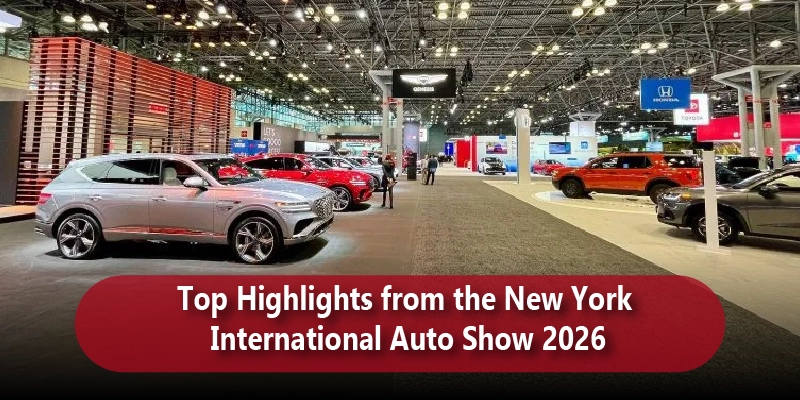
The New York Auto Show 2026 highlights a major shift to electric SUVs, AI-driven interiors, and practical, family-focused mobility solutions.

Why the 2026 Auto Show Matters
The New York International Auto Show 2026, held at the Jacob K. Javits Convention Center from April 3-12, reflects a clear transformation in the automotive industry. This year’s event moved beyond early EV adoption and focused on real-world usability, software integration, and family-oriented design.
With over 750 vehicles on display, the show serves as a strong indicator of what mainstream consumers in the U.S. market can expect over the next 2-3 years.
Top Car Launches That Defined the Show
Electric Toyota Highlander (2027 Model)
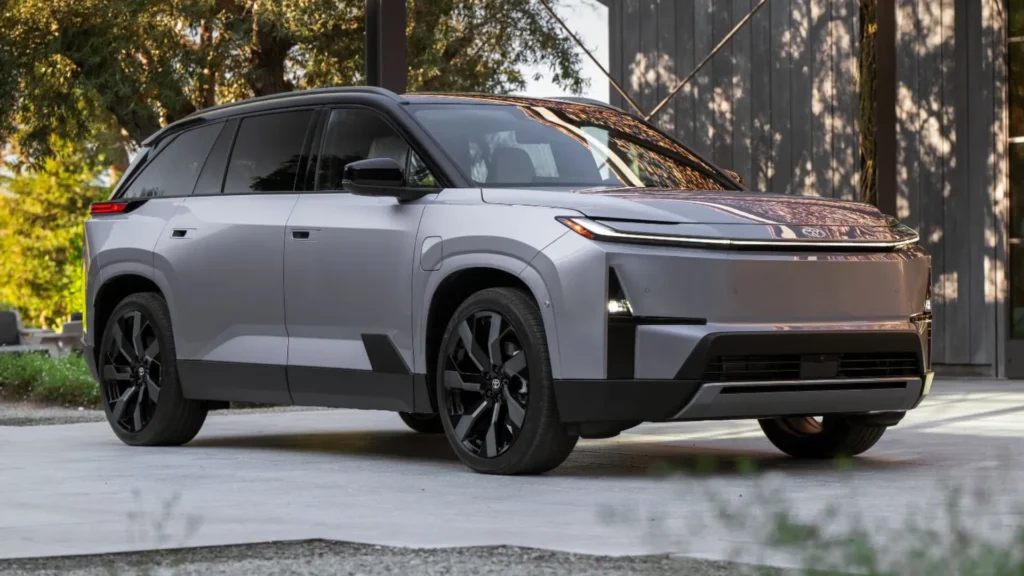
Toyota’s transition of the Highlander into a fully electric SUV marks a major shift in the family vehicle segment. With an estimated range exceeding 350 miles and a redesigned interior focused on comfort and space, it targets buyers moving from hybrid to full EV ownership.
Infiniti QX65
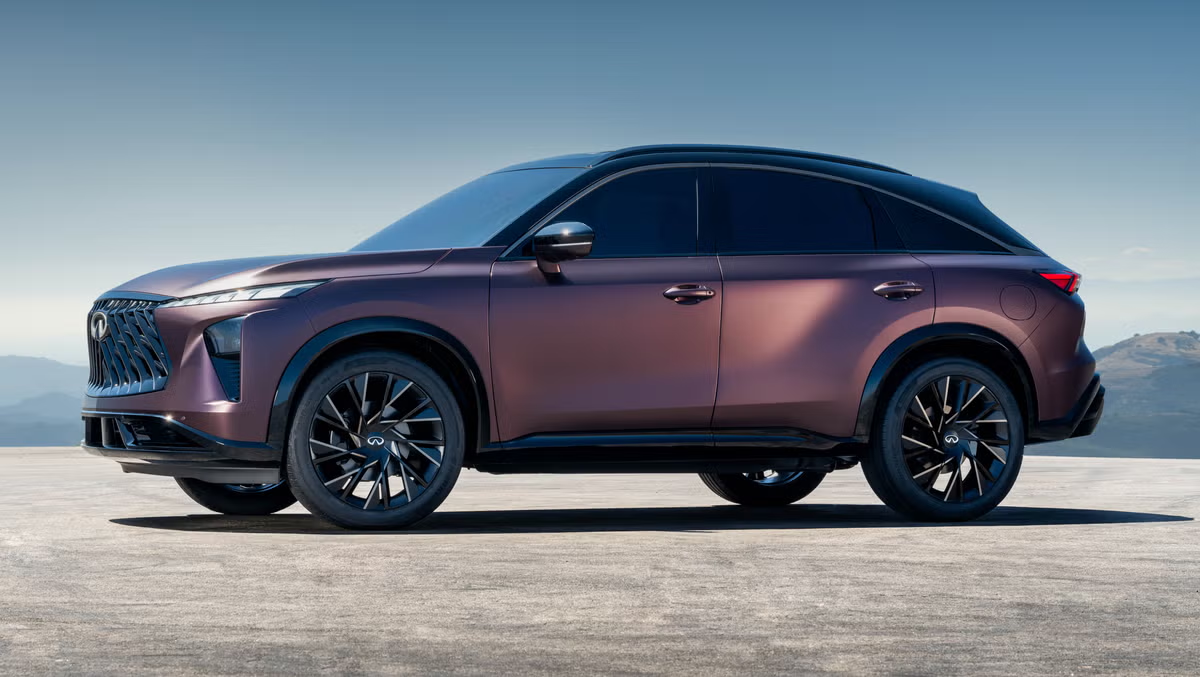
The QX65 introduces a coupe-style crossover that blends performance-inspired design with premium interior elements. It signals Infiniti’s strategic repositioning toward more emotionally appealing and design-focused vehicles.
Next-Generation Volkswagen Atlas
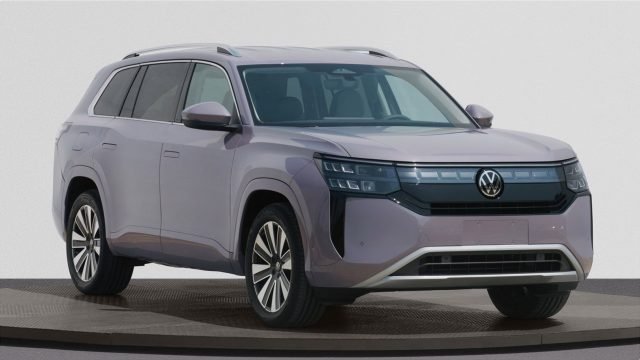
Volkswagen retained a combustion-based platform but introduced a 48V mild-hybrid system, improved fuel efficiency, and a significantly upgraded interior. This model appeals to buyers not yet ready to transition fully to electric vehicles.
Key Electric Vehicle Trends from the Show
1. Faster Charging Technology
Automakers are adopting 800-volt architectures, enabling charging from 10% to 80% in under 20 minutes. This directly addresses one of the main barriers to EV adoption.
2. Expansion of Large Electric SUVs
Three-row electric SUVs are becoming a priority segment. Models like the Hyundai Ioniq 9 reflect growing demand for practical, family-sized EVs.
3. Improved Battery Efficiency
Advancements in battery design are reducing weight while increasing cabin space and driving range, making EVs more practical for everyday use.
4. Charging Infrastructure Confidence
With the continued expansion of public charging networks, manufacturers are now designing vehicles for broader use cases, including long-distance and rural driving.
Concept Innovations Shaping Future Vehicles
Concept models at the show highlighted the transition toward software-defined vehicles and autonomous-ready platforms.
Key developments include:
- Biometric authentication replacing keys and mobile apps
- Augmented reality displays integrated into windshields
- Flexible interiors designed for autonomous driving scenarios
These features indicate a shift from traditional driving to experience-driven mobility.
What 2026 Car Buyers Should Pay Attention To
- Software and updates: Vehicles increasingly rely on over-the-air updates for performance and features
- Subscription-based features: Some manufacturers charge recurring fees for advanced functionalities
- Charging compatibility: Ensuring access to widely supported charging standards is critical
- Resale considerations: Rapid technology evolution may impact long-term vehicle value
Comparison Table: Major Highlights
| Model | Segment | Powertrain | Key Feature | Buyer Focus |
| Toyota Highlander EV | Family SUV | Fully Electric | 350+ mile range, spacious interior | EV family buyers |
| Infiniti QX65 | Luxury Crossover | Petrol/Hybrid | Coupe design, premium cabin | Style-focused buyers |
| Volkswagen Atlas | Large SUV | Mild Hybrid | 48V system, advanced infotainment | Traditional SUV buyers |
| Hyundai Ioniq 9 | Electric SUV | Fully Electric | Three-row configuration | Large EV segment |
| Genesis Concepts | Concept Vehicles | Electric | AR displays, biometric access | Future mobility insights |
Common Mistakes to Avoid
- Selecting EVs without considering charging network compatibility
- Ignoring long-term ownership costs, including subscriptions
- Overlooking the technology lifecycle and resale impact
- Choosing features based on novelty rather than usability
- Not evaluating real-world range vs claimed range, especially in extreme climates
- Skipping a check on battery warranty and degradation terms
- Ignoring software reliability and update frequency
- Not comparing home charging setup costs before buying an EV
- Overlooking insurance costs, which can be higher for EVs and tech-heavy vehicles
Things You might Wonder
1. What is the biggest highlight of the New York Auto Show 2026?
The dominance of electric SUVs and software-driven vehicle experiences.
2. Which car attracted the most attention?
The all-electric Toyota Highlander was the most talked-about reveal.
3. Are affordable EVs part of the 2026 lineup?
Yes, several manufacturers introduced budget-friendly electric models.
4. What technology trends stood out?
Fast charging, augmented reality displays, and biometric access systems.
5. Are traditional fuel vehicles still relevant?
Yes, but many now include hybrid systems to improve efficiency.
Key Takeaways
- Electric vehicles are becoming the default choice across segments, not just premium categories.
- SUVs continue to dominate, especially three-row family-focused models.
- Software is now as important as hardware, with frequent OTA updates shaping performance.
- Charging speed and infrastructure are becoming key purchase decision factors.
- Interior experience is evolving into a third space.
- Automakers are focusing on practical usability rather than experimental features.
- Battery innovation is improving range, space efficiency, and charging time.
- Hybrid models still play a critical transition role for hesitant buyers.
- Subscription-based features are reshaping ownership economics.
Get More Automotive Insights at Ask About Cars!
Have insights or experiences to share? Submit your blog through the link below and become part of our automotive community: https://askaboutcars.com/submit-blog