

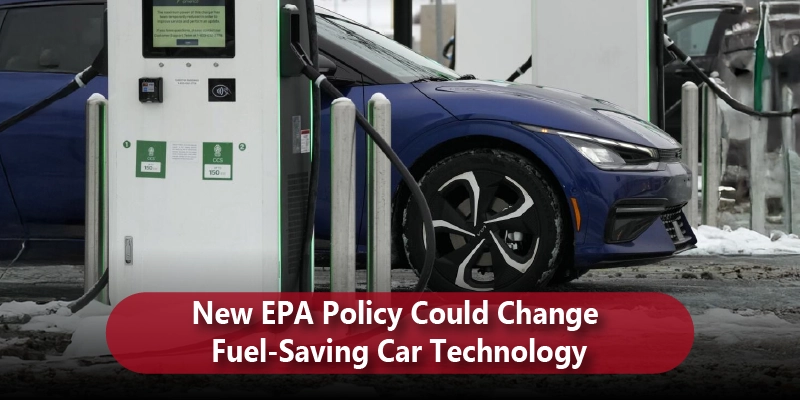
EPA car regulations 2026 adjust fuel efficiency targets, encouraging improved gasoline engines, hybrids, and lightweight technologies while EV development continues.

Understanding the New EPA Car Regulations for 2026
The EPA car regulations 2026 are reshaping how automakers approach fuel efficiency and emissions. Updated policy changes have modified earlier targets that aimed for a fleet-wide fuel economy of around 55 mpg.
Instead of relying heavily on rapid electrification, the revised EPA fuel efficiency policy allows manufacturers greater flexibility to improve traditional engines while still working toward lower emissions.
Automakers now have room to balance electric vehicle development with improvements in gasoline and hybrid technologies. This shift is expected to influence vehicle design, manufacturing strategies, and consumer choices across the United States.
Key Changes in the 2026 EPA Vehicle Rules
Several updates in the new EPA rules for cars affect how manufacturers plan future models:
- Revised fuel economy targets for automakers
- Greater flexibility in compliance strategies
- Continued pressure to reduce greenhouse gas emissions
- Alignment with evolving market demand for hybrids and efficient gasoline vehicles
These changes allow automakers to continue investing in multiple powertrain options rather than focusing on a single technology.
Also Read: The Fuel-Saving Hack Every NYC Driver’s Trying
How Automakers Are Improving Fuel Efficiency
Manufacturers are increasing investment in technologies that improve fuel economy without sacrificing performance.
Advanced Turbocharging
Modern turbocharged engines allow smaller engines to deliver higher power output while maintaining better fuel efficiency.
Mild Hybrid Systems
48-volt mild hybrid systems assist engines during acceleration and reduce fuel use during stop-and-go driving.
Lightweight Vehicle Design
Using aluminum, carbon composites, and high-strength steel helps reduce vehicle weight and improve overall fuel efficiency.
Impact of US Emission Standards on Automakers
Even with federal adjustments, emission standards remain complex. Some states continue to enforce stricter regulations.
Because of this, automakers must design vehicles that meet multiple regulatory frameworks while maintaining affordability and performance.
The result is continued development in green car technology, hybrid systems, and efficient combustion engines.
Also Read: How Hybrid Cars Are Changing the Way We Drive and Save Fuel
EPA Regulations 2026: Key Highlights
| Area | What It Means |
| Fuel Economy Targets | Revised goals give manufacturers flexibility in meeting efficiency standards |
| Technology Focus | Increased development of hybrids, turbocharged engines, and lightweight materials |
| EV Development | Electric vehicle investment continues but with a balanced approach |
| Emission Compliance | Automakers must meet both federal and state-level standards |
| Consumer Impact | Buyers may see more fuel-efficient gasoline and hybrid vehicles |
Frequently Asked Questions
1. What are the EPA car regulations for 2026?
They are updated fuel efficiency and emissions guidelines that influence how automakers design vehicles and meet environmental targets.
2. Will the 2026 EPA rules slow down electric vehicle adoption?
Electric vehicle development continues, but manufacturers are also focusing on improving hybrid and gasoline engine efficiency.
3. How do the new EPA rules affect fuel economy?
Automakers are improving engines, hybrid systems, and vehicle design to meet updated fuel efficiency requirements.
4. Are stricter emission standards still in place in some states?
Yes, several states maintain their own emission regulations, requiring automakers to comply with multiple standards.
5. What should car buyers expect after the 2026 EPA changes?
Consumers may see a wider range of fuel-efficient vehicles, including hybrids and advanced gasoline models.
Key Takeaways
- EPA car regulations 2026 revise fuel efficiency targets, giving automakers more flexibility in meeting federal standards.
- Car manufacturers are adopting multiple efficiency-focused technologies, including hybrid powertrains, turbocharged engines, and lightweight construction.
- Electric vehicles remain part of long-term strategies, even as improvements to gasoline engines continue.
- State-level emission standards still influence vehicle development, requiring compliance with both federal and regional regulations.
- Consumers may see a broader range of fuel-efficient vehicles, including advanced gasoline models and hybrid options.
- Automakers are balancing innovation and regulatory compliance while responding to changing market demand.
Get More Updated Automotive Insights at AskAboutcars!
For advertising, sponsored content, or brand collaboration opportunities on this platform, please visit: https://askaboutcars.com/advertise/