

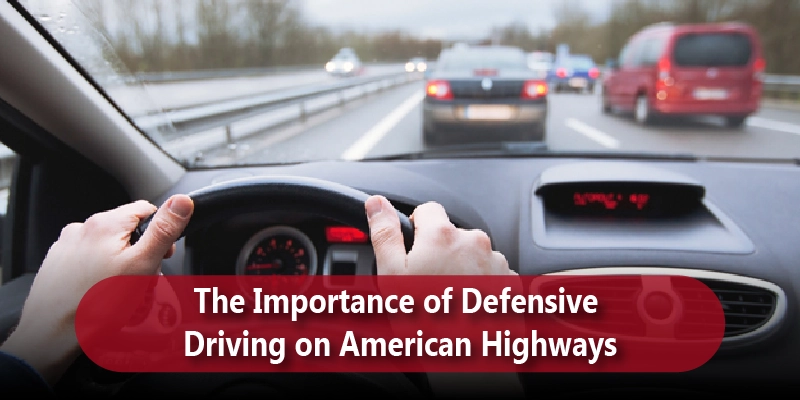
Defensive driving on American highways means staying alert, maintaining a safe distance, anticipating hazards, and making proactive decisions to prevent accidents.

As highway travel continues to grow across the United States in 2026, road congestion and distracted driving have become major safety concerns. From high-speed corridors to busy urban interchanges, drivers face unpredictable situations every day.
Defensive driving on American highways is not simply about following traffic rules. It is a proactive driving strategy that focuses on awareness, anticipation, and smart decision-making. By maintaining a safe distance, scanning the road ahead, and adapting to changing traffic conditions, drivers can significantly reduce accident risks.
Whether commuting daily or planning long road trips, adopting defensive driving habits is one of the most effective ways to stay safe on U.S. highways.
Related Insights: Texas Announces Major Highway Expansion for 2025–26
Core Principles of Defensive Driving on American Highways
Defensive driving focuses on preventing accidents before they happen. Instead of reacting at the last moment, drivers anticipate possible hazards and adjust accordingly.
Key principles include:
Maintain a Safe Following Distance
Keeping a 3-4 second gap between vehicles provides enough time to react to sudden braking or unexpected obstacles.
Stay Aware of Your Surroundings
Drivers should constantly monitor mirrors, blind spots, and traffic patterns while scanning the road at least 10-15 seconds ahead.
Control Speed and Lane Position
Driving at a safe and consistent speed while staying in appropriate lanes reduces conflicts with aggressive drivers.
Avoid High-Risk Driver Clusters
Large groups of fast-moving vehicles increase accident risks. Staying out of these clusters provides more escape space.
Why Defensive Driving Matters for Long Highway Trips
Long-distance highway travel introduces additional challenges such as fatigue, unfamiliar routes, and changing weather conditions. Defensive driving on American highways is one of the most effective ways to stay safe in increasingly busy traffic conditions. By staying alert, maintaining a safe distance, and anticipating hazards, drivers can dramatically reduce accident risk.
Drivers who follow defensive driving practices benefit from:
- Lower accident risk
- Better reaction time in emergencies
- Reduced driver stress
- Improved fuel efficiency
- Lower vehicle maintenance costs
Many U.S. insurance companies also provide discounts for drivers who complete defensive driving courses.
Common Highway Driving Mistakes to Avoid
Even experienced drivers often make mistakes that increase accident risks.
Tailgating at High Speeds
Following too closely reduces reaction time and increases crash severity.
Driving Continuously Without Breaks
Fatigue can significantly slow reaction time and decision-making.
Misusing the Left Lane
Remaining in the passing lane unnecessarily causes traffic congestion and dangerous overtaking.
Over-reliance on Driver Assistance Systems
Technologies like lane-keeping assist or adaptive cruise control support safety but should never replace active driver attention.
Defensive Driving Techniques Every Highway Driver Should Practice
Drivers can improve safety by adopting a few consistent habits.
Use the 3 Second Rule
Choose a roadside object and ensure at least three seconds pass before your vehicle reaches it after the car ahead.
Check Mirrors Frequently
Regular mirror checks help track surrounding vehicles and avoid blind-spot collisions.
Slow Down Near Interchanges and On-Ramps
Traffic merging areas are common accident zones.
Adjust Driving for Weather Conditions
Rain, fog, or icy roads require slower speeds and increased following distance.
Plan Breaks During Long Trips
Stopping every two hours keeps drivers alert and prevents fatigue.
Defensive Driving Techniques and Their Benefits
| Defensive Driving Habit | How It Improves Safety |
| Maintain a 3-4 second following distance | Provides time to react to sudden braking |
| Scan the road 15 seconds ahead | Helps identify hazards early |
| Avoid fast-moving vehicle clusters | Reduces multi-car collision risk |
| Check mirrors frequently | Prevents blind-spot accidents |
| Take breaks every 2 hours | Reduces fatigue and improves alertness |
| Adjust speed in poor weather | Improves vehicle control and stopping distance |
Safe Driving Habits for Long Highway Trips
Highway fatigue is one of the most overlooked dangers in long-distance driving.
To stay alert and safe:
- Plan the stops every 100-120 miles
- Avoid driving late at night when possible
- Stay hydrated and avoid heavy meals
- Share driving duties during long trips
- Monitor early signs of fatigue, such as frequent yawning or drifting lanes
Maintaining these habits helps drivers stay focused and responsive throughout the journey.
Key Takeaways
- Defensive Driving on American Highways Improves Road Safety
Practicing defensive driving on American highways helps drivers anticipate risks, maintain control of their surroundings, and significantly reduce the chances of accidents caused by unpredictable traffic behavior. - Maintain a 3-4 Second Following Distance at Highway Speeds
Keeping a safe distance between vehicles provides enough time to react to sudden braking, debris, or unexpected lane changes, as it is one of the most important highway safety driving techniques. - Scan Traffic and Road Conditions 10-15 Seconds Ahead
Instead of focusing only on the vehicle directly ahead, scanning further down the road helps drivers identify hazards such as congestion, merging vehicles, or construction zones earlier. - Avoid High-Speed Traffic Clusters
Driving within tight groups of fast-moving vehicles increases collision risk. Defensive drivers maintain space around their vehicle to ensure safe driving when traffic conditions change. - Take Scheduled Breaks During Long Highway Trips
Safe driving habits for long trips include stopping every two hours or roughly every 100 miles. Regular breaks help prevent fatigue and keep drivers alert during extended travel. - Adjust Driving Techniques for Weather and Road Conditions
Rain, fog, or icy roads require slower speeds, increased following distance, and smoother braking to maintain vehicle control and prevent accidents.
Frequently Asked Questions
Defensive driving is a proactive approach that helps drivers anticipate risks and prevent accidents through awareness and safe driving habits.
By maintaining distance, monitoring surroundings, and anticipating hazards, drivers gain more time to react and avoid collisions.
Most safety experts recommend maintaining a 3-4 second gap between vehicles.
It helps drivers manage fatigue, unpredictable traffic, and changing weather conditions.
Yes, many insurance providers offer discounts for certified defensive driving course completion.
Have insights or experiences to share? Submit your blog through the link below and become part of our automotive community.