


Welcome to Ask About Cars — your go-to resource for practical automotive advice. Becoming a new driver is an exciting milestone, but owning a car comes with a genuine set of responsibilities. The good news is that staying on top of your car’s health doesn’t require expert knowledge, it just requires consistency and awareness.

Neglecting basic upkeep leads to costly repairs, reduced safety, and a vehicle that loses value fast. Whether you just picked up your first car or recently passed your driving test, these 10 essential maintenance tips will keep you safe and confident on the road.
1. Change Your Engine Oil on Schedule
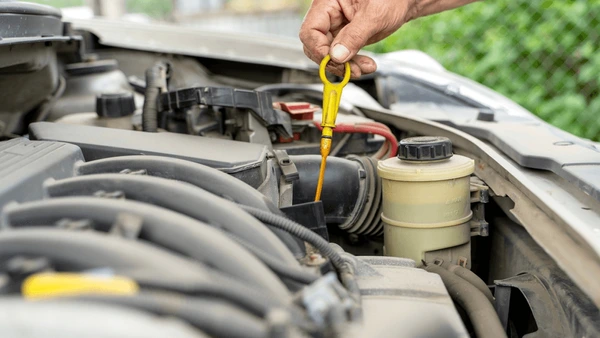
Engine oil lubricates moving parts, reduces heat, and prevents premature wear. Over time it degrades and becomes contaminated with metal particles and sludge. Most manufacturers recommend an oil change every 5,000 to 7,500 km — always check your owner’s manual for the exact interval for your vehicle.
Using the wrong grade of oil or skipping changes can silently damage your engine over months, resulting in repair bills far greater than the cost of a simple oil change.
2. Check Tyre Pressure Every Month
Tyres are your only contact with the road. Under-inflated tyres reduce fuel efficiency, cause uneven wear, and increase the risk of a blowout at speed. Over-inflated tyres reduce grip and make your ride harsh.
Invest in a pocket tyre pressure gauge and check all four tyres (plus your spare) at least once a month — always when cold, before driving. Your correct pressure is printed on a sticker inside your driver’s door frame.
Tyre Pressure: Effects of Getting It Wrong
| Pressure State | Effect on Safety | Effect on Fuel Economy | Effect on Tyre Life |
| Under-inflated | Reduced handling, blowout risk | Increases fuel consumption | Rapid, uneven edge wear |
| Correct pressure | Optimal grip and control | Best efficiency | Even, maximum lifespan |
| Over-inflated | Reduced contact patch, harsh ride | Slight improvement but unsafe | Centre tread wears faster |
3. Monitor All Fluid Levels
Modern cars rely on six key fluids. Running low on any of them can cause anything from a blown engine to brake failure. Make it a habit to check them monthly:
- Engine oil — dipstick check, must sit between MIN and MAX marks
- Coolant/antifreeze — check the reservoir when the engine is cold
- Brake fluid — low levels may indicate a leak or worn brake pads
- Power steering fluid — low levels cause heavy, unresponsive steering
- Transmission fluid — check with engine warm, use the correct type only
- Windscreen washer fluid — the only one that’s harmless to ignore, but don’t
4. Listen to Your Brakes
Your brakes are the single most important safety system on your vehicle. If you hear squealing or grinding, or feel vibration through the brake pedal, have it inspected immediately. We cover this in more detail in our guide to top car safety features you should never overlook, including how modern vehicles use ABS and Electronic Stability Control to support your braking.
Never delay brake concerns. A brake inspection costs very little compared to the cost of a brake failure, both in dollars and in potential loss of life.
5. Replace Air Filters Regularly
Your engine air filter stops dust, insects, and debris from entering the engine. A clogged filter restricts airflow, reduces engine performance, and increases fuel consumption. Replace it every 15,000 to 20,000 km, or more frequently if you drive in dusty conditions.
Your cabin air filter is equally important — it cleans the air you breathe inside the car. A blocked cabin filter also reduces the efficiency of your air conditioning system.
6. Rotate Your Tyres Every 10,000 km
Front tyres wear differently from rear tyres because they handle steering and, in most cars, carry more braking force. Rotating them, swapping front to rear, and vice versa, ensures even wear across all four, significantly extending their life and improving handling balance.
A good habit is to rotate your tyres at every second oil change, so you never forget.
7. Never Ignore Dashboard Warning Lights
Your dashboard is your car trying to talk to you. The check engine light, oil pressure warning, battery light, and tyre pressure monitor (TPMS) each indicate a specific condition. Ignoring them doesn’t make the problem go away, it makes it worse and more expensive.
Buy or borrow an OBD-II reader (available from around $20) to read the exact fault code yourself before visiting a mechanic. This provides you with knowledge and helps prevent overcharging.
8. Keep Your Car Clean — Inside and Out
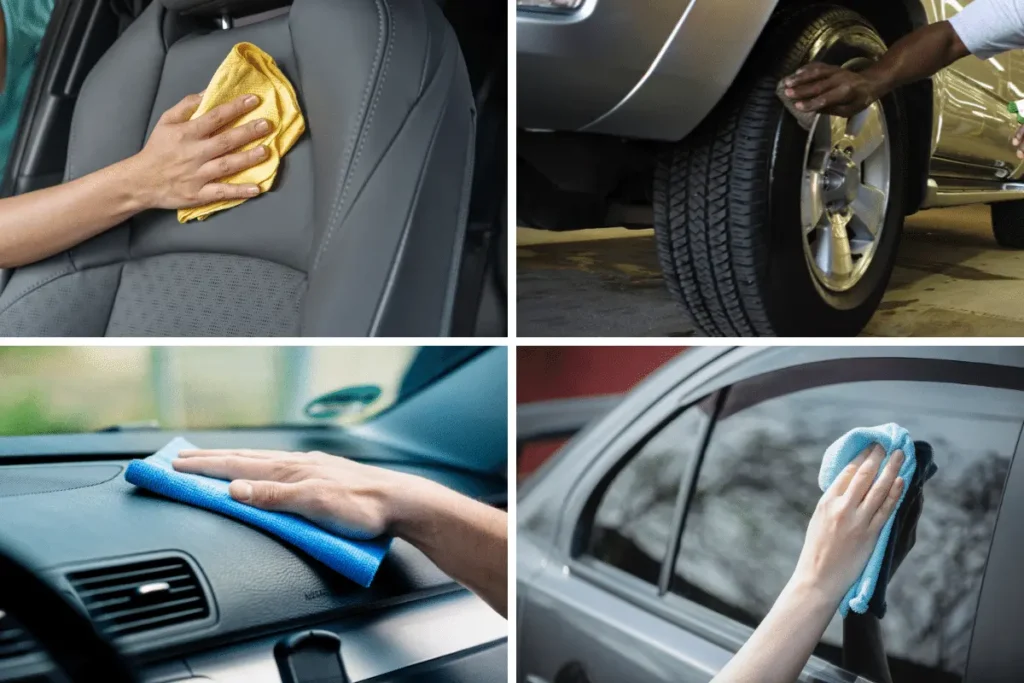
A clean car is more than cosmetic. Road salt, bird droppings, and tree sap chemically attack your paintwork. Left unaddressed, they cause corrosion that reduces your car’s structural integrity and resale value. For a complete guide on how regular cleaning protects your investment, read The Role of Car Care in Maximizing Vehicle Resale Value.
Inside, vacuum seats and carpets regularly, wipe down the dashboard, and condition leather seats. A well-kept interior significantly affects the price you receive when you eventually sell.
9. Test Your Battery Health
Car batteries typically last three to five years. Warning signs include slow engine cranking, dimming headlights, or electrical components behaving erratically. Most auto parts shops will test your battery for free.
Keep the terminals clean and free of the white, powdery corrosion that builds up over time. A terminal cleaning brush costs almost nothing and can significantly extend battery life.
10. Follow Your Manufacturer’s Service Schedule
Your owner’s manual contains a complete service schedule — the single most important document for your car. Following it ensures nothing critical is missed. It also builds the service history record that buyers look for when you eventually sell. For more on why this matters financially, see our guide on how to maximize your car’s resale value.
Quick-Reference Maintenance Schedule for New Drivers
| Task | Frequency | DIY or Professional? |
|---|---|---|
| Engine oil & filter change | Every 5,000–7,500 km | Professional recommended |
| Tyre pressure check | Monthly (when cold) | DIY — easy |
| Tyre rotation | Every 10,000 km | Professional |
| Air filter replacement | Every 15,000–20,000 km | DIY — easy |
| Brake inspection | Every 20,000 km or annually | Professional |
| Battery health check | Annually or when sluggish | Free at auto shops |
| Full fluid check | Monthly | DIY — easy |
| Full service per manual | Per manufacturer’s schedule | Professional |
New Driver? Here Are Answers to Your Car Maintenance Questions
You should change your engine oil every 5,000 to 7,500 km, or as recommended by your car’s manufacturer, to keep the engine properly lubricated and running efficiently.
Use a tire pressure gauge to check your tires at least once a month. Compare the reading to the manufacturer’s recommended pressure, usually found in your car’s manual or on a sticker inside the driver’s door.
New drivers should regularly check engine oil, coolant, brake fluid, transmission fluid, and windshield washer fluid. Low levels of any of these can cause serious mechanical problems.
Listen for squealing or grinding noises when braking, or notice if the brake pedal feels soft or spongy. Any of these signs mean you should have your brakes inspected by a mechanic immediately.
Check and replace your air filter every 12,000 to 15,000 km, or sooner if you drive in dusty or polluted conditions. A clogged filter reduces engine performance and fuel efficiency.
Conclusion
Mastering these 10 habits early will save you thousands in repairs, keep you safer on the road, and protect your vehicle’s value. As you gain experience, explore the rest of our guides on Ask About Cars, including how common road hazards can damage your car and how smart car insurance choices can protect you financially.Also, check out our summer car care guide for seasonal tips that every driver, new or experienced, should know.